


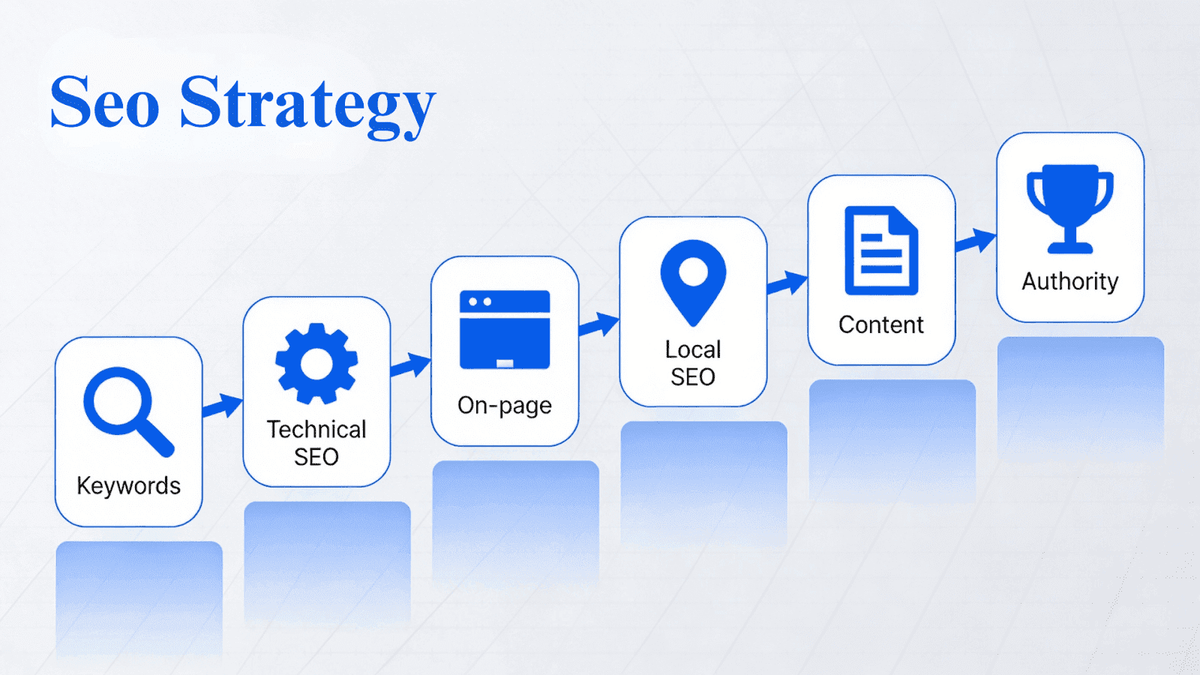
Why SEO Matters So Much for Small Businesses
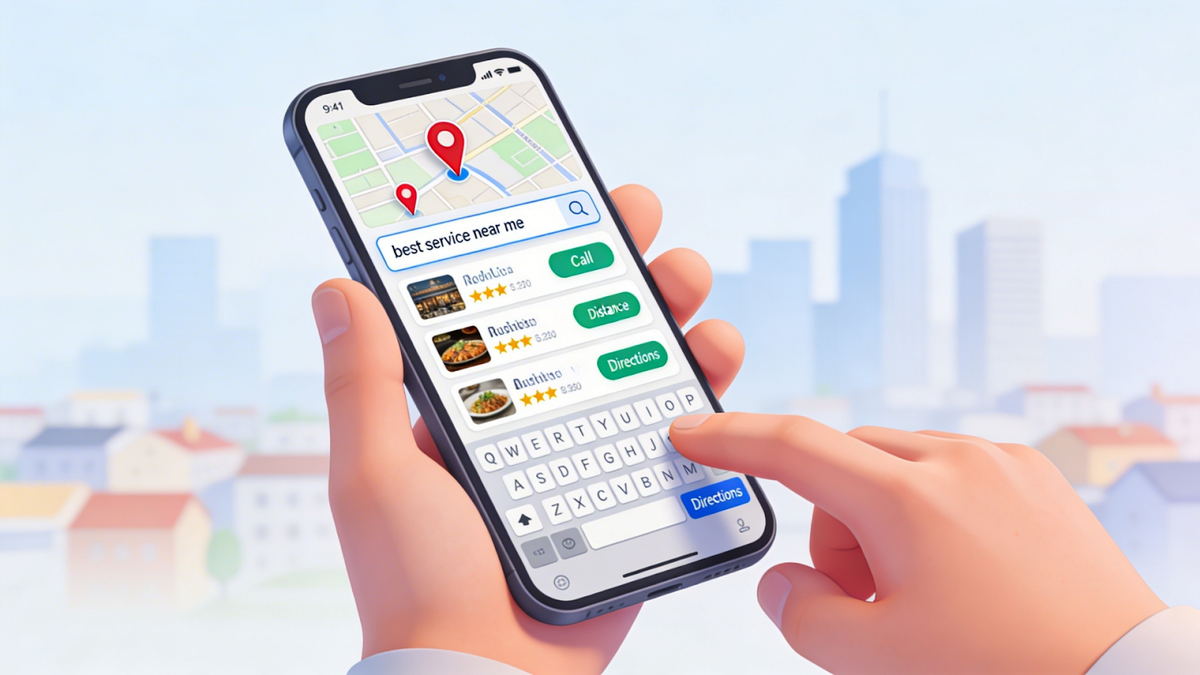
If you run a local shop, clinic, agency, or online service, your customers almost certainly search before they buy. They search “best [service] near me”, compare reviews, check opening hours, read a couple of articles, and only then decide who to contact. If your business does not appear in those moments, your competitors will.
SEO for small businesses is about showing up at the right time, in the right place, for the right people. It can feel technical from the outside, but the core idea is simple: make it easy for search engines to understand who you are, what you offer, and why you are a good answer to a searcher’s problem. Unlike paid ads, good rankings can continue bringing you leads even when you are not actively spending money every day. That is why this beginners guide for SEO focuses on long‑term, sustainable foundations rather than quick tricks that stop working after the next algorithm update.
How Search Engines Work
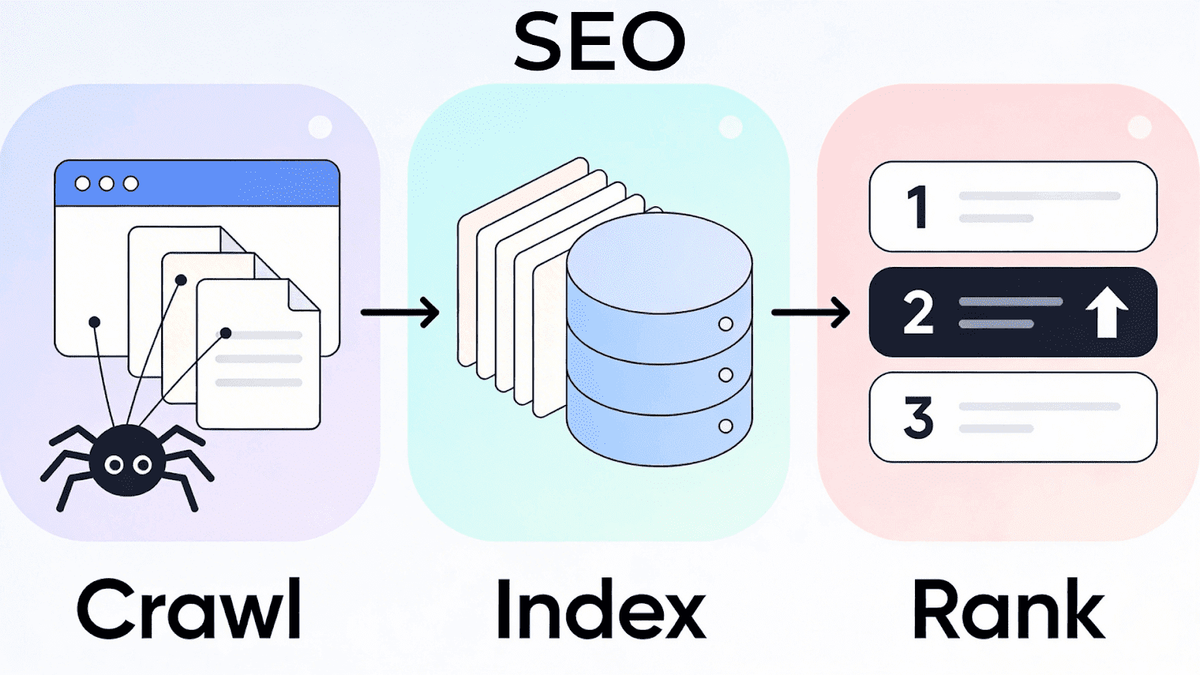
Before you start changing your website, you need to understand how search engines like Google actually work. That way, every action you take will make more sense.
At a basic level, search engines do three main things: they crawl, index, and rank. Crawling means automated bots (often called “spiders”) follow links across the web and discover pages. Indexing means they store and organise information about those pages in huge databases. Ranking is what happens when someone types a query.Google looks through the index and decides which pages are most relevant, trustworthy, and useful for that specific search.
For small businesses, this has three big implications. First, your site has to be technically accessible so that bots can actually crawl your pages. Second, your content has to clearly match the questions and phrases your customers type. Third, your site needs to show signs of trust and authority, things like good content, positive reviews, and quality links from other websites.
A Beginner’s Guide for SEO: 6 Essential Steps
This section walks through a practical, step‑by‑step beginners guide for SEO designed specifically for small businesses. You do not need to be a developer to follow it, but you should be prepared to make a few changes to your site or work with someone who can.
Step 1: Get Clear on Your Customers and Keywords
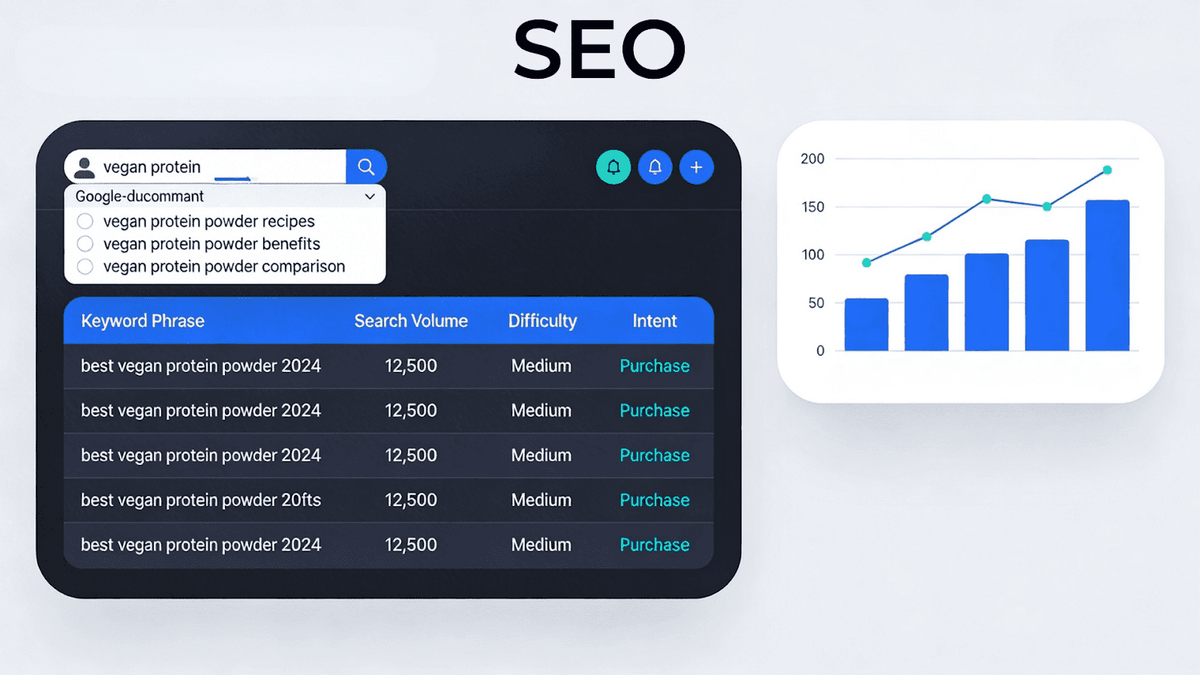
SEO starts with understanding your audience. If you do not know what your ideal customers type into Google, it is easy to get the wrong phrases or attract the wrong traffic.
Begin by writing down your top services or products and the locations you serve. Then think about how a non‑expert would search for them. For example, instead of “orthodontic solutions”, people often search “braces for adults”. Use free tools like Google’s autocomplete suggestions, “People also ask” boxes, and related searches at the bottom of the page to gather ideas.
As a small business, focus on long‑tail keywords like phrases of three or more words that are specific and less competitive. Examples include “emergency plumber in miami”, “vegan bakery near me”, or “digital marketing agency for small restaurants”. These are easier to rank for and usually come from people closer to making a decision. Make a simple list of 10–30 target phrases to guide your on‑page optimization and content.
Step 2: Fix the Technical Basics on Your Website
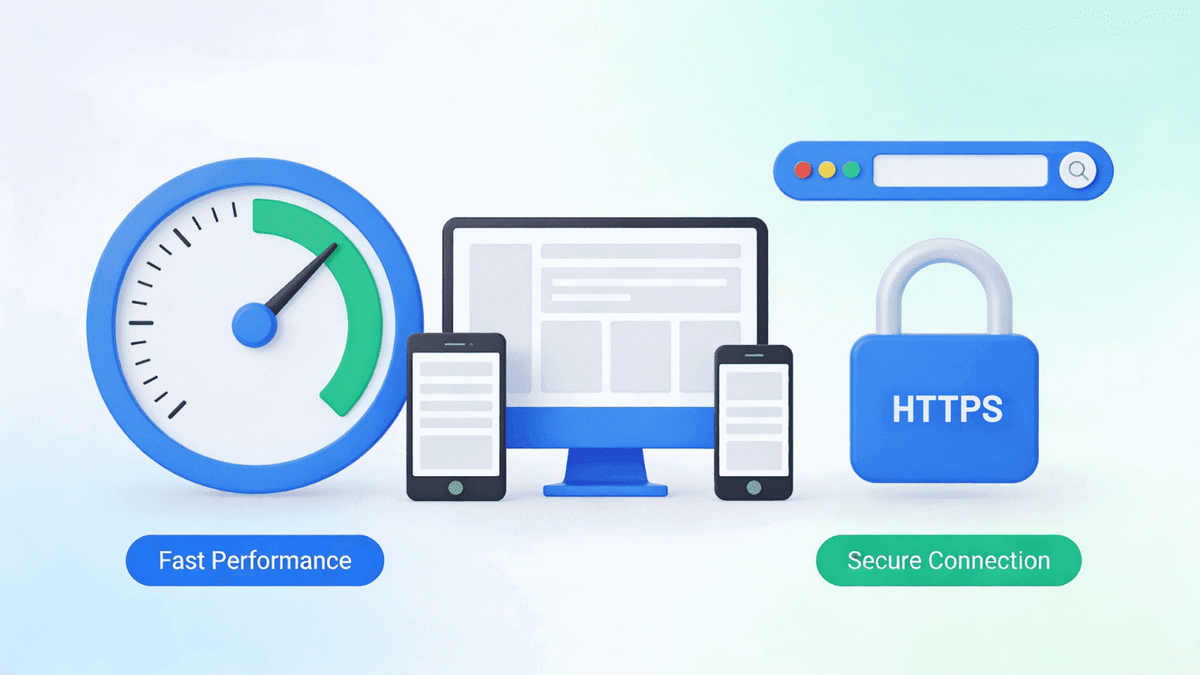
You do not need to become a technical SEO expert, but there are a few basics every small business website should get right:
- Your site should load quickly, especially on mobile. Large, uncompressed images and heavy themes slow everything down.
- Your site must be mobile‑friendly. Most local and branded searches now happen on phones.
- Your site should use HTTPS (a secure connection) and not show “Not secure” warnings.
- Each important page should be reachable through clear navigation, not hidden several clicks deep.
If you use WordPress, Webflow, or similar platforms, many of these issues can be improved with better hosting, caching plugins, compressing images, and choosing a lightweight theme. This technical foundation helps search engines crawl and index your site efficiently and also improves user experience, which is a key part of Google’s Helpful Content and page experience guidelines.
Step 3: Optimise Your Core Pages (On‑Page SEO)
On‑page SEO is where many small businesses see their first real gains. It is about making the content and structure of individual pages as clear and useful as possible for both people and search engines. Focus first on your homepage, main service pages, and any important location pages.
Key elements to optimise include:
- Page titles (title tags): These are what users see as the blue clickable text in search results. Include one primary keyword, a location if relevant, and a clear benefit.
- Headings (H1, H2, H3): Use one descriptive H1 per page that matches the main topic, and H2/H3 headings to break content into logical sections. Avoid stuffing the same phrase in every heading; write naturally while still including variations of your target keywords.
- Meta descriptions: This short summary appears under your title in results. It does not directly affect rankings, but it influences click rates. Use it to explain who the page is for and what they will get.
- Body content: Write clearly, address real questions, and show your expertise. For a page about small businesses, talk about specific small‑business challenges, examples, and results, not just generic definitions.
Internal links: Link between related pages on your site. This helps users discover more content and helps search engines understand the relationships between your pages.
Step 4: Set Up Local SEO Essentials
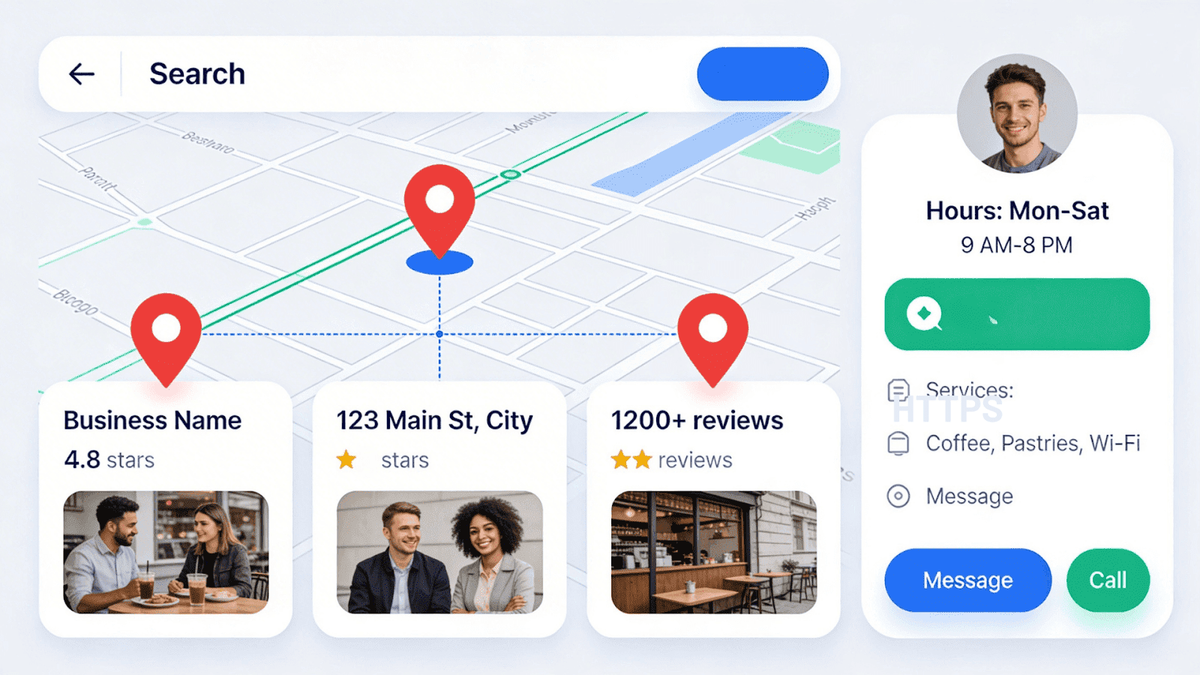
For many small businesses, local SEO is where the highest‑intent traffic comes from. When someone searches “near me” or adds a city name, they are often ready to call, book, or visit.
Start by claiming and fully filling out your Google Business Profile (formerly Google My Business). Add your exact business name, address, phone number, website, opening hours, categories, and high‑quality photos. Keep this information consistent across your website and other directories (this is often called NAP consistency: Name, Address, Phone).
Next, encourage happy customers to leave Google reviews and respond to them politely. Reviews are a powerful trust signal for both people and algorithms. On your website, create location‑specific content where it makes sense. When you combine a strong Google Business Profile with useful local content and accurate contact details, you make it much easier to appear in local map packs and “near me” searches.
Step 5: Create Helpful Content That Answers Real Questions
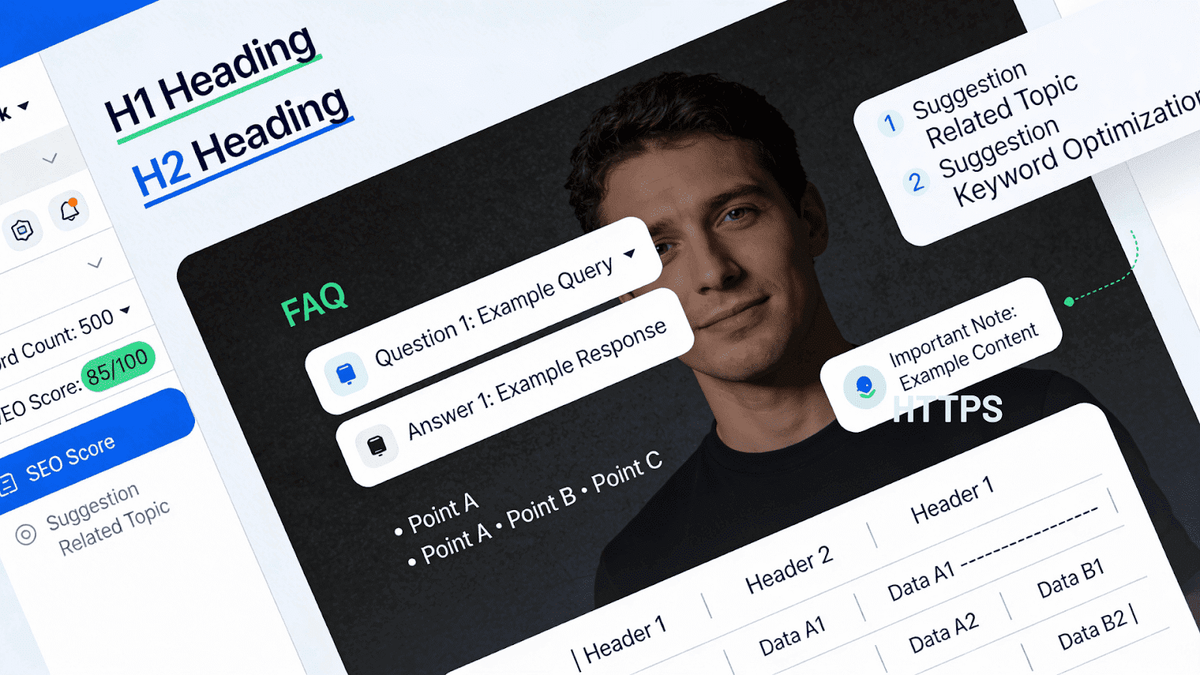
Google’s Helpful Content system and E‑E‑A‑T guidelines (Experience, Expertise, Authoritativeness, and Trustworthiness) reward websites that provide depth, originality, and real‑world expertise. For you, that means your blog, FAQs, and resources should be written primarily to help customers, not just to rank.
Think about the questions you answer every week on calls, in your shop, or in your inbox. Each of those can form the basis of a useful article or guide. For example, if you are a web agency working with small businesses, you might publish posts like “How to Choose the Right SEO Budget for a Small Business”, “Beginner Mistakes to Avoid When Doing SEO Yourself”, or “A Simple Beginners Guide for SEO in Your First 90 Days”.
When writing:
- Use plain language and explain jargon the first time you use it.
- Include examples and, where possible, specific stories from your own clients or experience.
- Structure content with clear headings, short paragraphs, and occasional bullet lists so it is easy to scan.
- Update important guides at least once a year to keep them accurate.
Over time, this builds a library of content that can rank for many different queries and firmly positions you as a helpful, trustworthy expert in your niche.
Step 6: Build Authority with Links, Mentions and Reviews
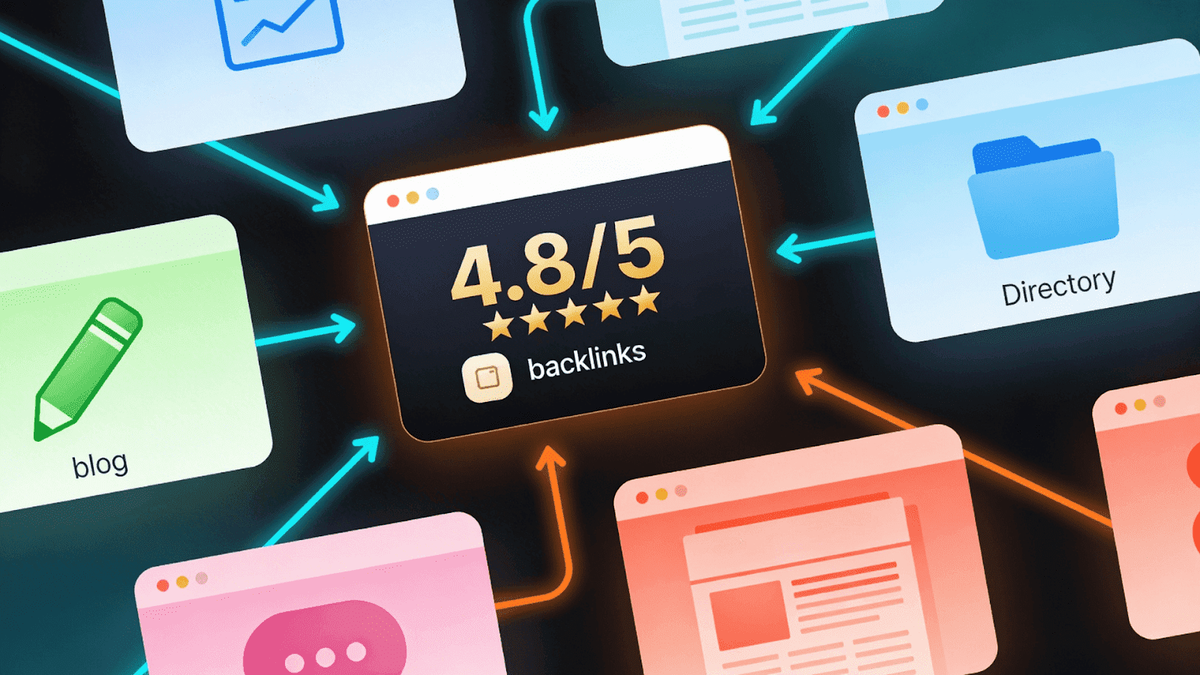
Search engines treat links from other websites like votes of confidence. The more high‑quality, relevant sites that link to you, the more likely you are to rank well for competitive terms. For small businesses, link building does not have to be spammy or complicated.
Some practical ideas include:
- Getting listed in reputable local directories, industry associations, and chamber of commerce sites.
- Partnering with nearby businesses for co‑marketing content where you mention and link to each other.
- Contributing quotes or short tips to relevant blogs or local news outlets in exchange for a mention and link.
- Turning your best resources like a detailed guide to SEO for small businesses in your city, into something others actually want to reference.
At the same time, keep investing in reviews across Google, Facebook, and key industry platforms. While reviews are not the same as traditional backlinks, they strongly influence local rankings and click‑through behaviour. Authority in 2026 is a mix of links, sentiment, and consistent, positive presence wherever your brand appears.
Common SEO Mistakes Small Businesses Should Avoid
As you apply this beginners guide for SEO, it helps to know the traps that waste time and money. Some of the most common mistakes are:
- Expecting instant results, it often takes several months of consistent effort before rankings and enquiries noticeably grow.
- Chasing only broad, highly competitive keywords like “SEO services” or “best plumber”. It is usually more effective to target specific, local, and niche phrases where you can realistically compete.
- Stuffing pages with repeated keywords in an attempt to “force” rankings. This creates a poor user experience and goes against Google’s Content guidelines.
- Ignoring content quality, a fast, technically perfect site will still struggle if the content is thin, generic, or clearly written mainly for bots.
- Neglecting basic trust signals such as a clear “About” page, visible contact details, and up‑to‑date information. These feel minor but strongly influence both users and algorithms.
Sticking to honest and consistent practices will always age better than shortcuts, especially as Google continues to refine its systems to filter out unhelpful content.
Once you’ve set up the basics using this beginners guide for SEO, read our in‑depth post on current SEO trends, what works and what doesn’t, to keep your strategy up to date.
Bringing It All Together
SEO can look intimidating from the outside, especially when you compare your small business to big brands with entire teams working on it. The good news is that you do not need to copy enterprise‑level strategies to win. By following a focused beginners guide for SEO like this one, understanding your customers, fixing your website basics, optimising core pages, investing in local SEO, creating helpful content, building authority, and tracking results, you put yourself ahead of many competitors who still treat SEO as an afterthought.
Over time, these small, consistent steps stack up. You begin to appear for more searches that matter, attract better‑qualified visitors, and build a reputation that extends beyond your immediate neighborhood.
If you would like expert help implementing these steps, from building a fast, conversion focused website to designing a tailored SEO strategy for your small business, Braingig can support you at every stage. Get in touch for a strategy session and turn your search visibility into real, measurable growth.