


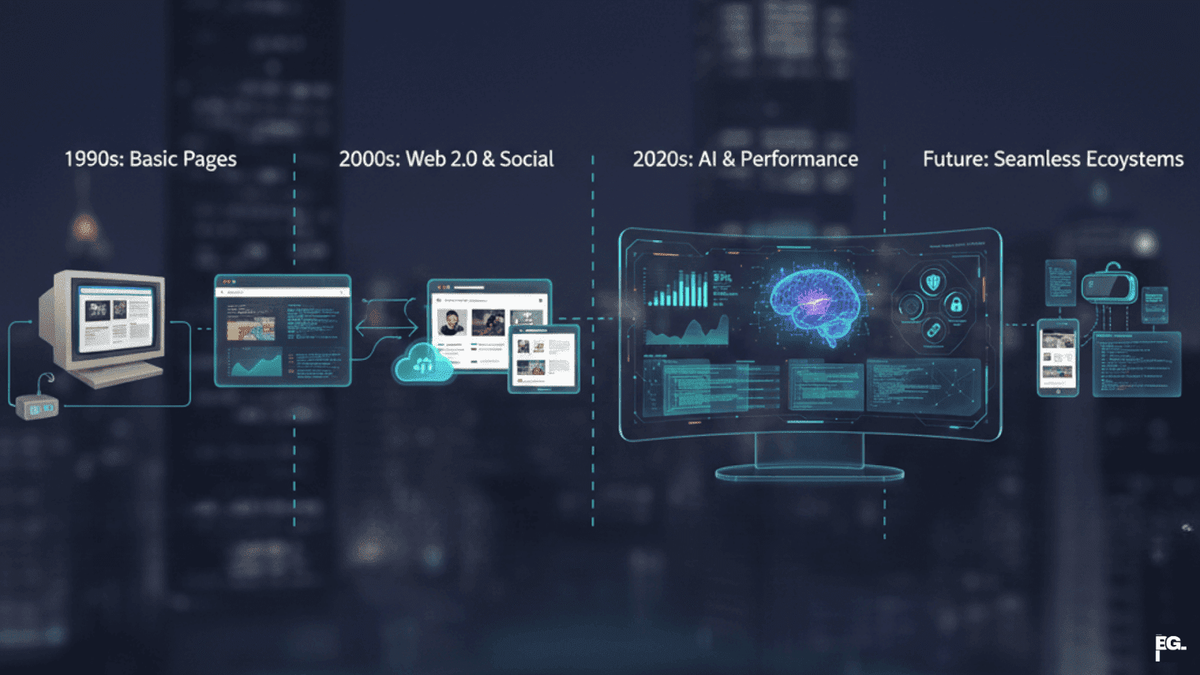
1. AI-Powered Development: From Code Generation to Smart Automation
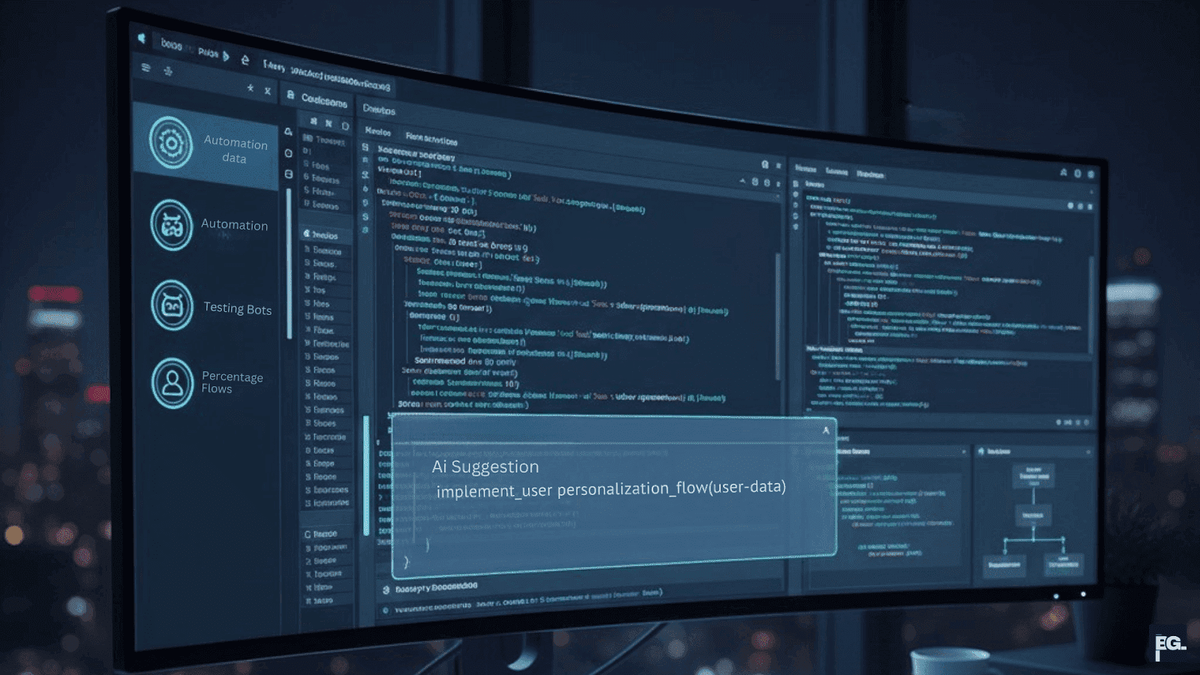
Artificial intelligence has stopped being a buzzword and started being a standard tool in web development. In 2026, AI isn't just assisting developers, it's fundamentally changing how websites are built.
AI Code Generation and Completion tools like GitHub Copilot, Cursor, and Claude are becoming increasingly sophisticated. These tools don't just autocomplete lines of code; they understand context, suggest entire functions, and help developers write cleaner, more efficient code in a fraction of the time.
But the impact goes beyond speed. AI-powered testing and debugging are catching bugs before they reach production. Machine learning algorithms analyze code patterns to identify potential vulnerabilities and performance issues automatically. This reduces the need for manual code review while improving overall quality.
What this means for you: If you're building a website in 2026, you're likely benefiting from AI somewhere in the development process. Modern web development agencies now use AI-assisted tools as standard practice, resulting in faster builds, fewer bugs, and better user experiences.
2. TypeScript Dominance: The End of the JavaScript Wild West
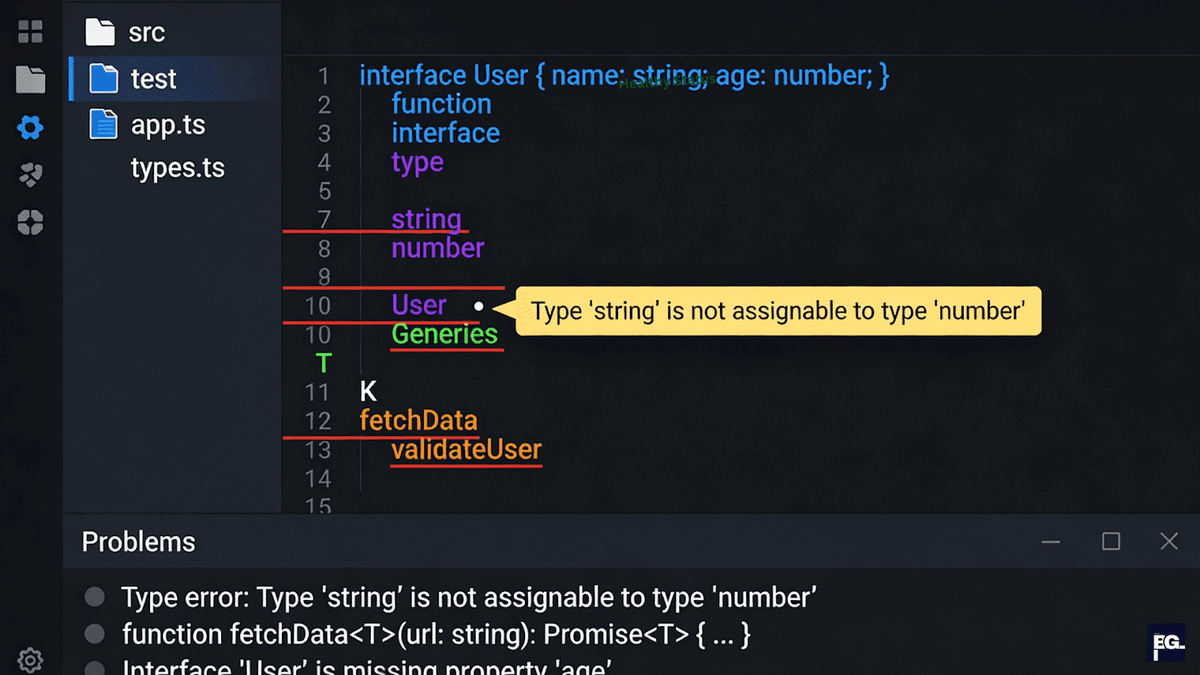
The rise of TypeScript has been gradual but relentless. In 2026, TypeScript adoption has crossed critical thresholds, with over 69% of enterprise development teams now using it as their standard.
Why? TypeScript brings static typing to JavaScript, catching errors at compile-time rather than runtime. For large teams and complex applications, this prevents countless bugs that would otherwise slip through to production.
Better Integrated Development Environment (IDE) support and developer experience is another major advantage. TypeScript-enabled IDEs provide superior autocomplete, refactoring tools, and inline documentation, making developers significantly more productive.
Large frameworks like Next.js, Angular, and Vue are optimizing for TypeScript-first development. Even libraries that were traditionally JavaScript-only are now shipping TypeScript versions out of the box.
What this means for you: Whether you're building a simple website or a complex web application, TypeScript ensures your codebase remains maintainable and scalable as it grows. Modern web development agencies now default to TypeScript for professional projects, making it easier to hand off projects to other developers or scale your team.
3. Performance-First Architecture: Core Web Vitals as a Ranking Factor

Google's commitment to page experience metrics has made performance not just a nice-to-have, it's a necessity. In 2026, websites ignoring performance optimization are essentially handicapping their SEO rankings.
Core Web Vitals (Largest Contentful Paint, Cumulative Layout Shift, and Interaction to Next Paint) remain critical, but the bar keeps rising. Users now expect pages to load in under 2 seconds, and search algorithms reward sites that meet these standards.
Edge computing and distributed architecture are becoming mainstream strategies. Rather than serving all content from a central server, modern websites use Content Delivery Networks (CDNs) and edge servers to serve content closer to users, dramatically reducing latency.
Image optimization and lazy loading have evolved beyond simple techniques. Modern formats like WebP and AVIF, combined with adaptive image serving based on device and network conditions, mean websites can deliver stunning visuals without sacrificing speed.
What this means for you: A slow website costs you customers. Studies show that every 100ms of delay results in 1% of lost conversions. Modern website development technologies ensure your site meets Core Web Vitals standards, boosting both user experience and SEO rankings.
4. Full-Stack React and Meta-Frameworks: Simplifying Complex Development
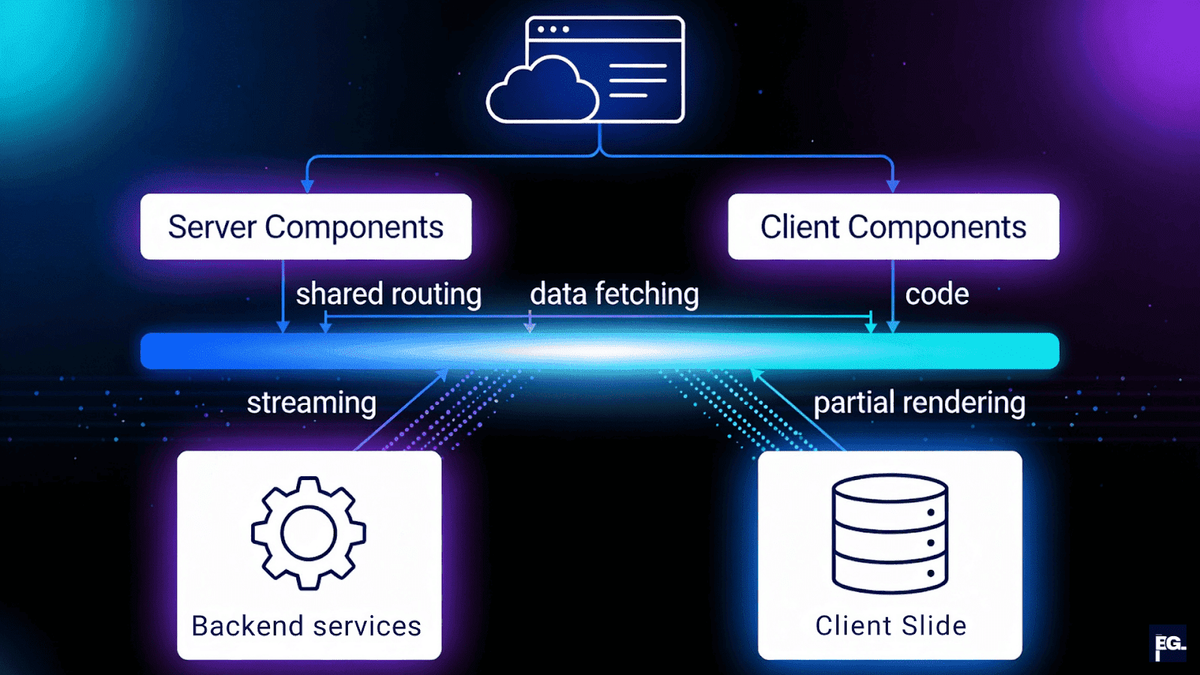
React has been the dominant frontend framework for years, but 2026 marks the maturity of full-stack React frameworks like Next.js, Remix, and Astro. These frameworks blur the line between frontend and backend, allowing developers to build entire applications with a single language and framework.
Server Components and Streaming enable developers to write components that fetch data on the server and stream HTML to the browser, reducing JavaScript sent to clients and improving performance dramatically.
Automatic code splitting and edge functions mean developers no longer need to think about how to optimize their applications,the framework handles it. Write your code naturally, and the framework optimizes it.
What this means for you: Full-stack frameworks mean faster development, fewer bugs, and more consistent performance. If you're building a content-driven website like a blog or marketing site, Astro offers exceptional performance. For interactive applications, Next.js combines the best developer experience with production-grade performance.
5. Headless Architecture and CMS Flexibility
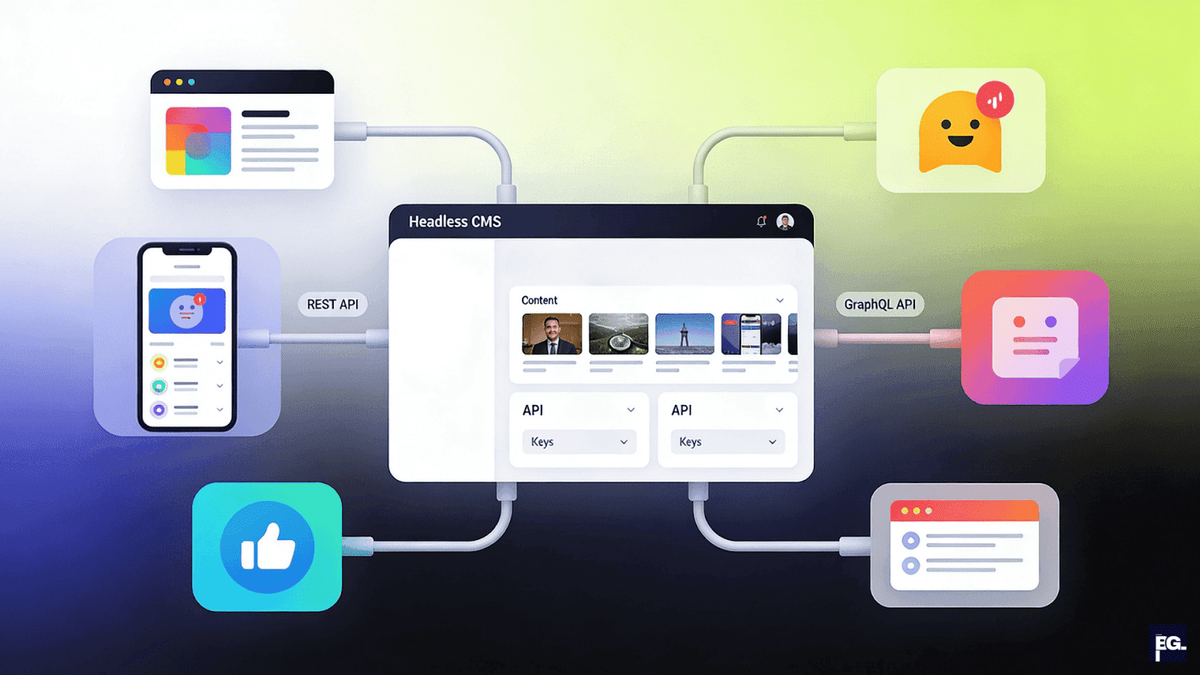
Headless CMS platforms decouple content management from presentation, giving businesses unprecedented flexibility. In 2026, this architecture is no longer experimental,it's the standard for scalable platforms.
API-first content delivery means your content can power multiple channels: your website, mobile app, social media, and third-party integrations,all from a single content source.
Composable architecture allows you to mix and match best-of-breed tools. Use Strapi for content, Vercel for deployment, Stripe for payments, and Segment for analytics,all integrated seamlessly.
What this means for you: If you're running an e-commerce store, directory platform, or any content-heavy business, headless architecture provides the flexibility to scale and adapt as your business grows. You're no longer locked into monolithic platforms.
6. Web Components and Framework Interoperability
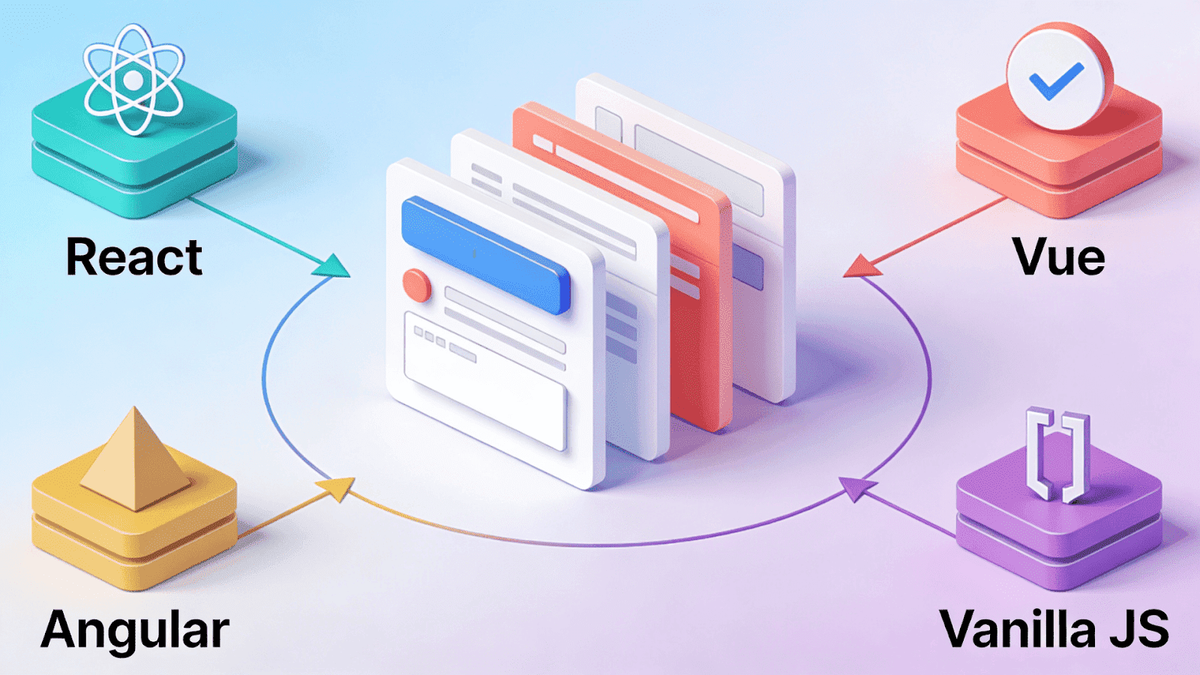
Web Components have been promised for years, but 2026 is when they finally deliver on that promise. These are native browser APIs that let you build reusable, encapsulated components that work across any framework.
Framework-agnostic components mean design systems and component libraries built once can be used in React, Vue, Angular, or vanilla JavaScript projects without modification.
Better tooling and library support means Web Components are no longer difficult to implement. Tools like Lit, Stencil, and FAST make building Web Components straightforward, and major companies are shipping component libraries built on Web Components.
What this means for you: As your business grows and your digital ecosystem becomes more complex, Web Components ensure you can share components and design patterns across all your digital properties without rewriting code.
7. Security-First Development: Encryption, Authentication, and Data Privacy

Security breaches continue to make headlines, and regulations like General Data Protection Regulation (GDPR) and California Consumer Privacy Act (CCPA) are getting stricter. In 2026, security isn't delegated to a final audit phase,it's baked into website development technologies from day one.
End-to-end encryption for sensitive data is becoming standard, not exceptional. Websites handling user data now use encryption protocols that ensure data remains secure even if infrastructure is compromised.
Passwordless authentication (biometrics, passkeys, magic links) is replacing traditional passwords. These methods are more secure and provide a better user experience.
What this means for you: Your website visitors trust you with their data. Modern website development technologies ensure that trust is honored through security-first practices. Whether you're collecting customer information, processing payments, or building a directory platform, security is foundational.
8. Developer Experience (DX) as a Competitive Advantage
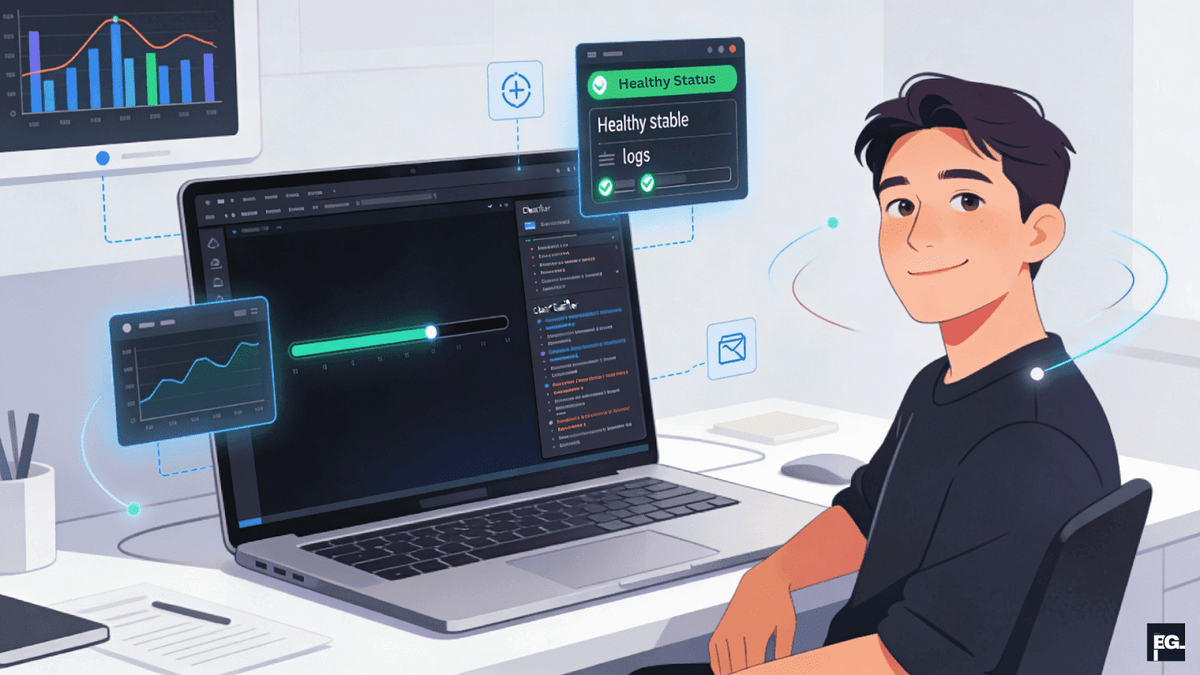
Finally, 2026 marks a shift where developer experience (DX) is recognized as a business priority, not just a developer preference. Better DX means faster development, fewer bugs, and happier teams.
Better local development environments mean developers can work offline, test locally without complex setup, and deploy with confidence.
Improved error messages and debugging tools mean problems are solved faster. Modern frameworks provide clear, actionable error messages that point developers to solutions.
Built-in monitoring and observability mean developers can see how their code performs in production without adding third-party tools. This feedback loop is crucial for continuous improvement.
What this means for you: When you work with a development agency, DX matters. Agencies invested in good DX practices deliver projects faster, with fewer iterations, and more stable long-term maintenance. Your website isn't a one-time project,it's an ongoing asset that needs to evolve.
Bringing It Together: The Brain Gig Advantage
These web development trends aren't isolated,they work together to create faster, more secure, more maintainable websites. At Brain Gig, we don't just follow trends; we integrate them strategically into every project.
Our approach combines cutting-edge website development technologies with proven strategy. We use TypeScript for type safety, full-stack frameworks for efficiency, performance-first architecture for SEO dominance, and security-first practices for user trust.
Ready to future-proof your website?Don’t have hosting yet? You can start with a reliable provider like Hostinger and let us handle the design, development, and optimization.
👉 Set up hosting with Hostinger and contact us today and we’ll take care of the rest.
Key Takeaways
- AI is accelerating development, catching bugs, and enabling smart personalization.
- TypeScript dominance ensures enterprise-grade code quality and maintainability.
- Performance optimization directly impacts SEO rankings and conversion rates.
- Full-stack frameworks simplify development and improve user experience.
- Headless architecture provides flexibility for scaling and multi-channel delivery.
- Web Components reduce complexity and promote code reuse.
- Security-first development protects your business and your customers.
- Developer experience matters for long-term project success and scalability.
The websites that thrive in 2026 aren't built on yesterday's technology. They're built on these emerging web development trends, integrated strategically to create experiences that convert, perform, and scale.