

How Digital Marketing Is Evolving: Trends You Need to Know in 2026
Digital marketing trends in 2026 changing everything with AI customizing experiences fast, GEO beats old SEO, videos sell right away, communities work better than ads, your own data wins without cookies, and new metrics show real success. Grow big with these marketing trends in an AI-driven future.
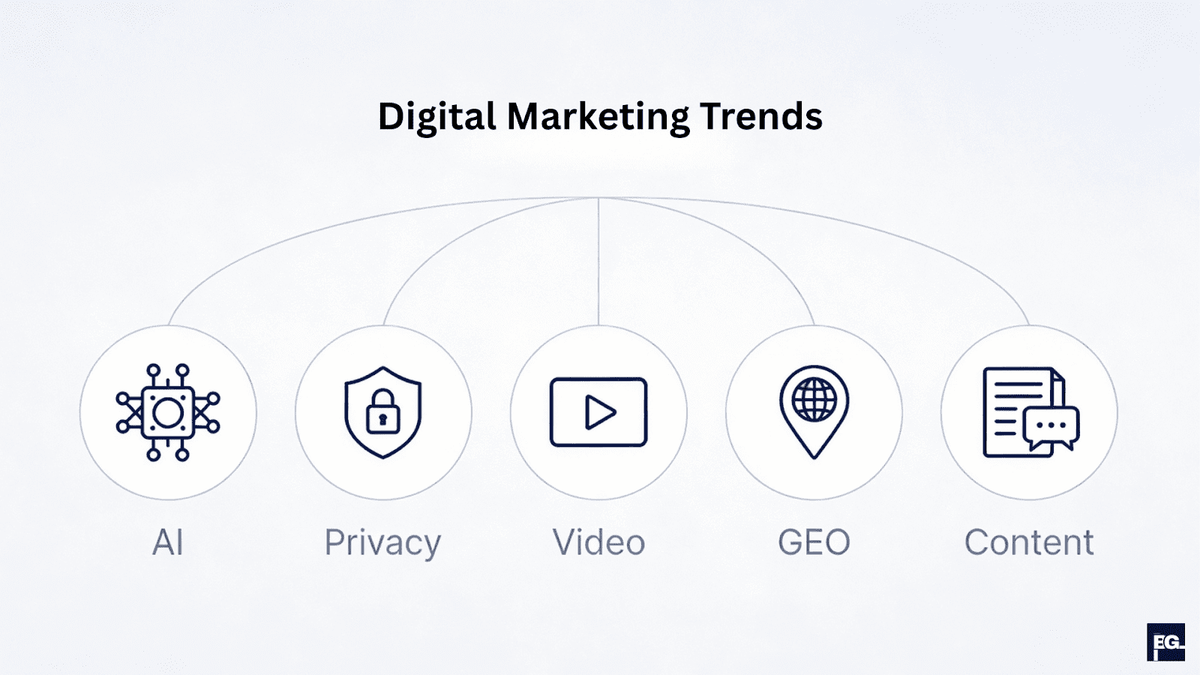
In 2026, digital marketing trends are shaped by AI‑driven personalization, AI‑powered search, stricter privacy laws, and the dominance of short‑form and shoppable video. Brands that win are moving from random posts to connected content ecosystems, relying on first‑party data instead of third‑party cookies, and building trust through authentic, experience‑driven content that aligns with Google’s Helpful Content and E‑E‑A‑T guidelines.
The New Reality of Digital Marketing in 2026
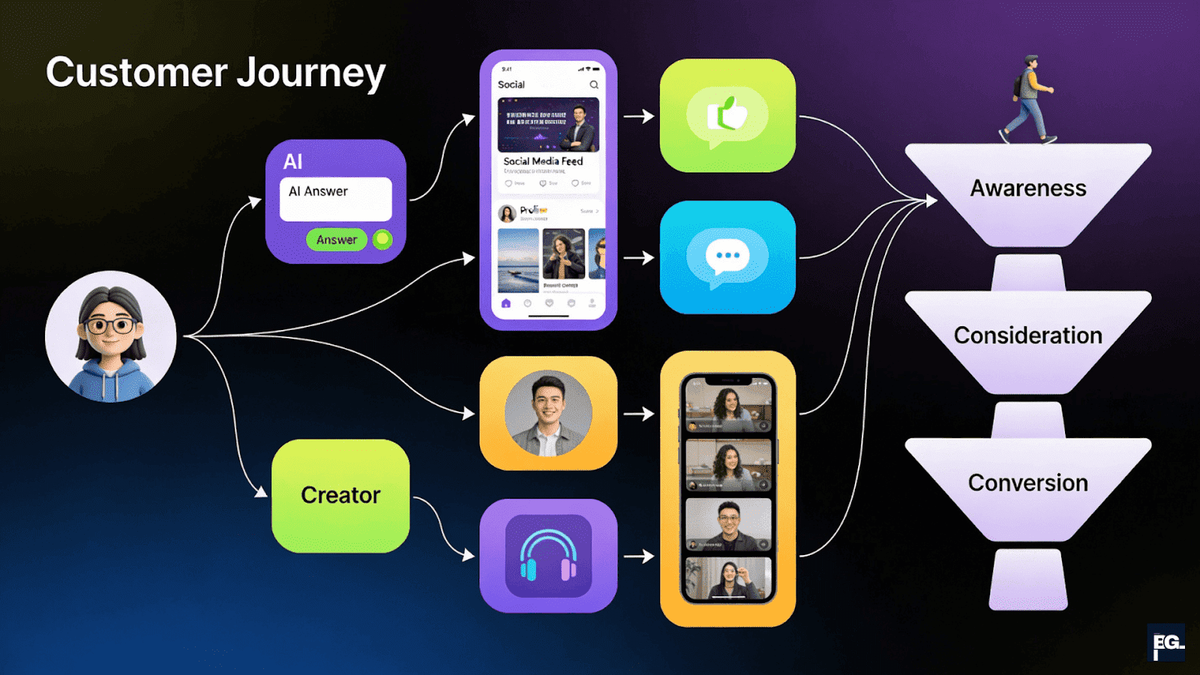
Digital marketing in 2026 is operating on a completely new foundation. AI is now embedded in search engines, social platforms, ad networks, and analytics tools, influencing what users see, how content is ranked, and how journeys are personalised. People discover brands through AI‑generated answers, social search, recommendations from creators, and looping short‑form video feeds long before they intentionally type your brand name into a browser.
At the same time, Google has doubled down on people‑first content, emphasising real experience, expertise, and trustworthiness. That means thin content that exists only to chase keywords or clicks is being filtered out, while in‑depth, clearly written, and genuinely useful resources are more likely to be surfaced. In this environment, digital marketing trends are less about hacks and more about building a modern, trustworthy ecosystem around your brand.
1. AI‑First, Hyper‑Personalised Experiences
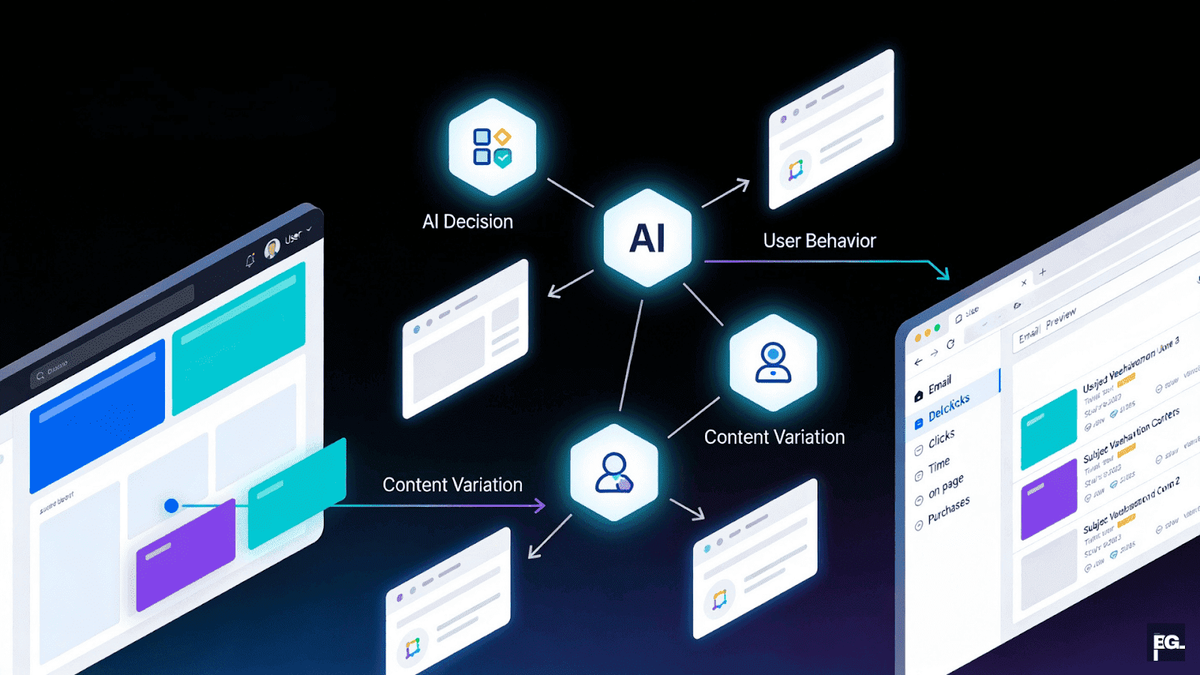
One of the most important digital marketing trends 2026 has cemented is AI‑powered personalisation. Businesses are moving from basic segments to dynamic, behaviour‑driven experiences that adapt in real time.
Today’s best‑performing brands use AI to:
- Tailor website content based on a visitor’s behaviour, source, and intent.
- Adjust email content and send times automatically for each subscriber.
- Serve ads and landing pages that change depending on where a user is in the journey.
Under the hood, AI models analyse browsing patterns, content engagement, purchase history, and contextual signals to predict what each user is most likely to care about next. But the most successful marketers do not just hand everything to automation. They define clear positioning, tone of voice, and value propositions, then use AI to test variations, discover patterns, and scale what works. The result is a blend of machine‑driven efficiency with human‑driven storytelling.
2. From SEO to GEO – Optimising for AI‑Generated Answers
Search is changing just as quickly. Classic SEO still matters, but AI‑generated summaries and conversational answers are transforming how people get information. Instead of clicking through several links, users increasingly rely on a single AI‑assembled response at the top of the results page.
This is where Generative Engine Optimisation (GEO) comes in. GEO is about making your content the kind of source AI systems want to quote and draw from. To do that, you need:
- Clear topical authority: Deep coverage of core themes like “digital marketing trends” and “digital marketing trends 2026”.
- Strong structure: Headings, FAQs, and schema markup that show exactly what each page covers.
- Consistent entities: Aligned information about your brand and authors across your site, social profiles, and directories.
Instead of publishing dozens of thin articles, smart teams are building comprehensive pillar pages and then surrounding them with related, interlinked contents. This approach makes your expertise obvious both to human readers and to AI models deciding which sources to trust.
3. Content Ecosystems, Not Random Posts
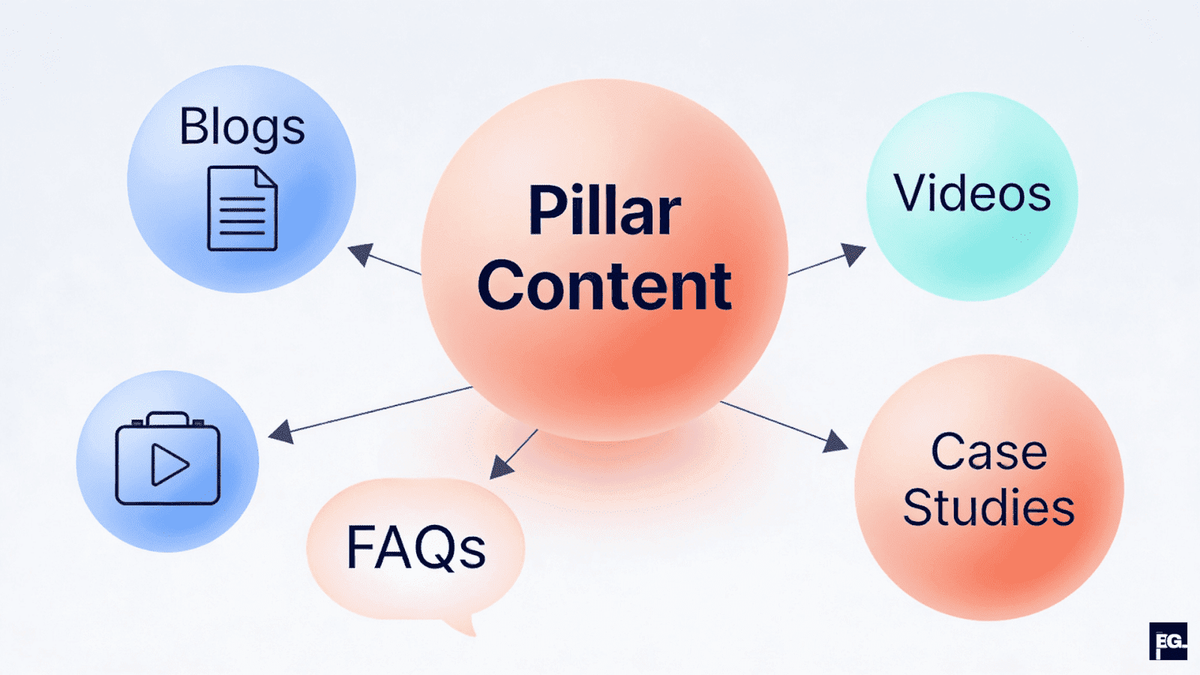
A major shift in digital marketing is the move from one‑off content pieces to connected ecosystems. In the past, many brands treated content like a checklist: write a blog here, post a video there, share something on social once in a while. In 2026, that approach is no longer competitive.
High‑performing brands now:
- Choose 3–5 strategic topics (for example: “conversion‑focused web design”, “local SEO for small businesses”).
- Build a detailed pillar or “ultimate guide” for each topic.
- Support each pillar with a cluster of related posts, videos, case studies, and FAQs.
This cluster model helps users follow a logical path as they research, while also signalling topical authority to search engines and AI systems. For your team, it also makes content creation more efficient. One pillar can fuel months of social content, email campaigns, short‑form videos, all aligned around a consistent message.
4. Short‑Form, Shoppable and Interactive Video
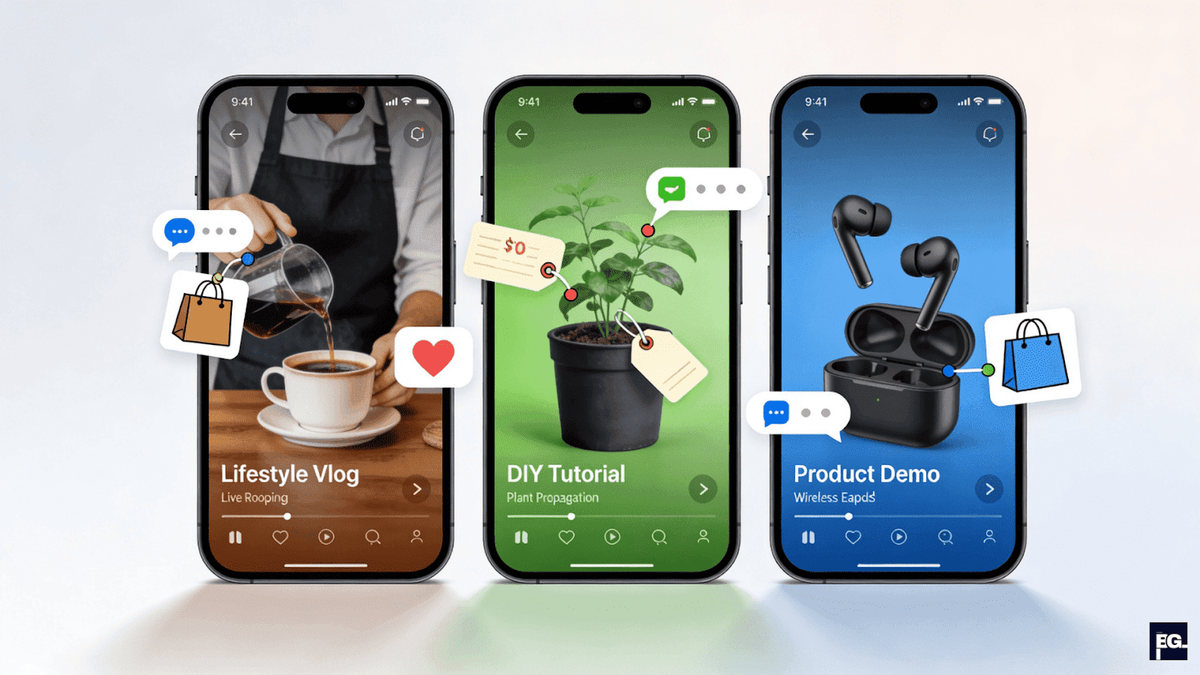
Video has been important for years, but in 2026 it is central. Short‑form formats on platforms like TikTok, Instagram Reels, YouTube Shorts, and Facebook are often the first touchpoint between users and brands. For many people, these feeds function as a search engine and recommendation engine rolled into one.
What’s changed is how businesses are using video within their broader strategy. Instead of posting random clips, leading brands design structured funnels such as:
- Short‑form “hook” videos to introduce a problem or insight.
- Mid‑length explainers or webinars to go deeper.
- Shoppable videos or live streams to drive direct action.
Interactive formats are also growing fast. Livestreams with live Q&A, on‑video product tagging, and basic experiences give viewers reasons to stay, engage, and convert. Importantly, the content that resonates most is often not heavily produced. Founder‑led, employee‑generated, or customer‑generated videos, quick, honest, and to the point, tend to outperform slick, traditional ads because they feel more genuine.
5. Authenticity, Community and Employee‑Led Brands
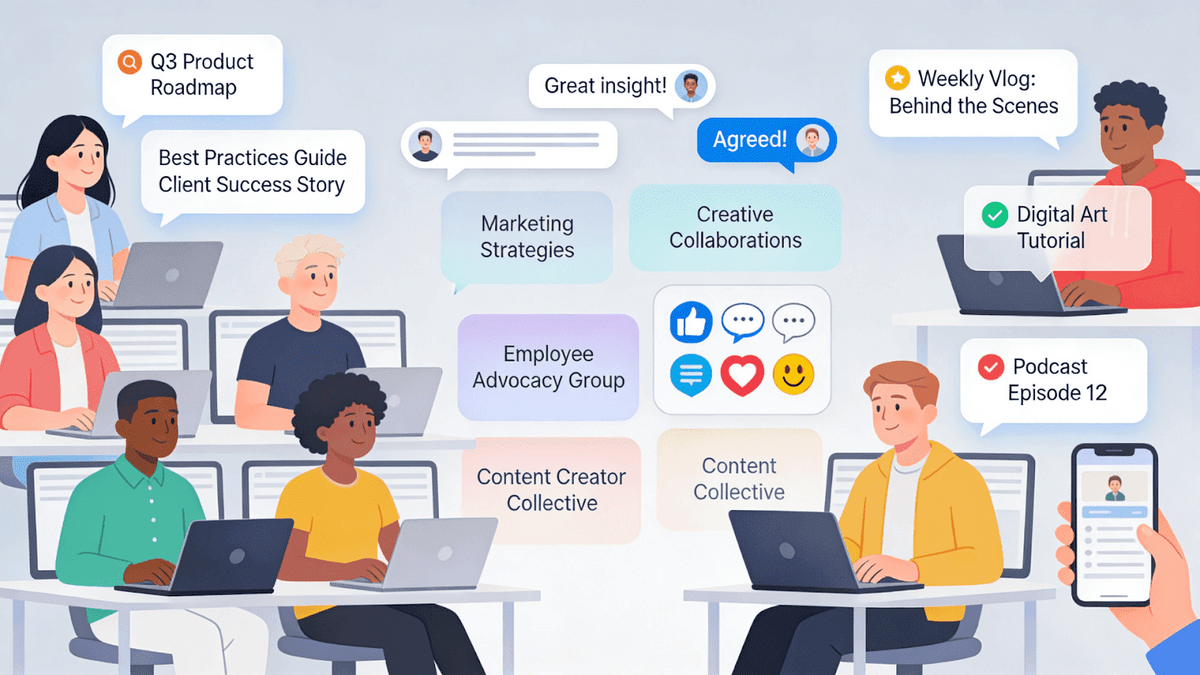
While AI and automation are accelerating, audiences are craving more human connection. One of the clearest digital marketing trends in 2026 is the backlash against content that looks and sounds obviously generated or overly corporate. People have become very good at sensing when something is generic, and they scroll past it.
Brands are responding by:
- Encouraging employees to share their own perspectives on LinkedIn, X, and other platforms.
- Giving behind‑the‑scenes looks at work, decision‑making, and even mistakes.
- Building communities where customers talk to each other,think private groups, Slack or Discord communities, and local meetups.
In this model, the company’s official account is only one voice among many. Real stories, case studies, learnings, and even failures become powerful trust builders. AI can still support this by summarising discussions, turning long videos into highlight clips, or suggesting new ideas, but it does not replace the need for real people to show up. This direction aligns strongly with Google’s E‑E‑A‑T principles: experience, expertise, authoritativeness, and trustworthiness are easiest to demonstrate when humans are visible and honest.
6. Privacy‑First Marketing and First‑Party Data
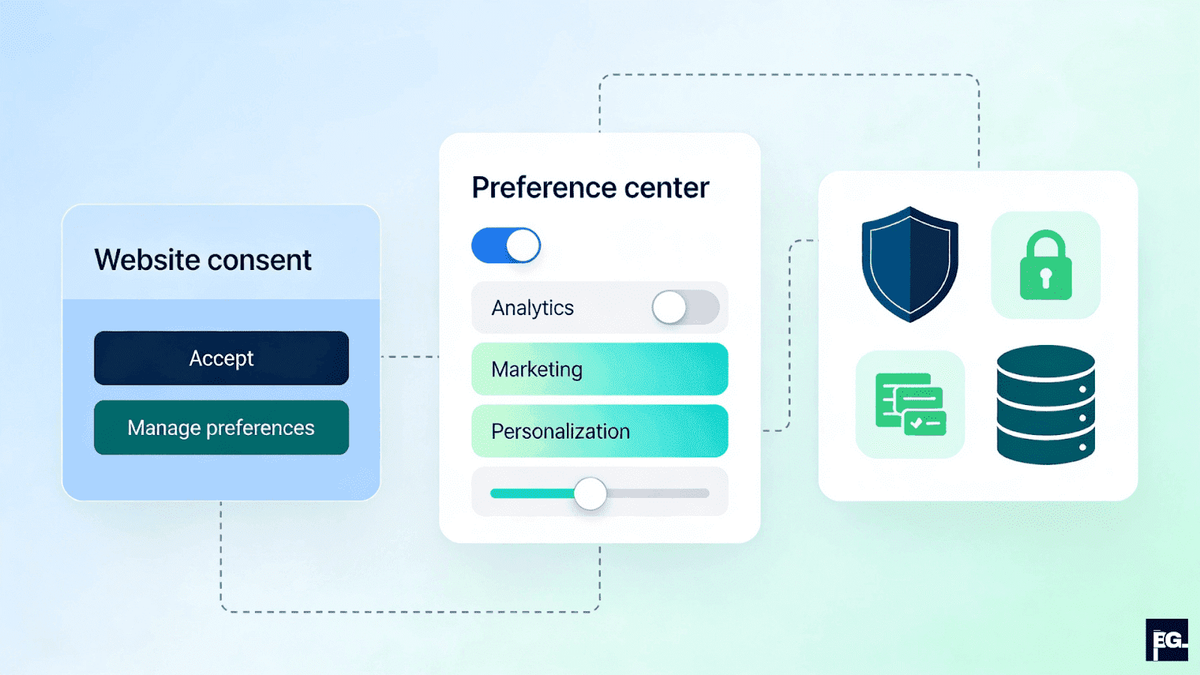
Another core part of digital marketing trends 2026 is privacy. With new data protection laws rolling out in the EU and U.S.A, businesses face stricter rules on data collection, tracking, consent, and automated decision‑making. Third‑party cookies are being phased out, and regulators are paying close attention to how user data is used behind the scenes.
This is pushing marketers to rely far more on first‑party and zero‑party data,the information you collect directly from your audience, with permission. Instead of silently tracking everything, brands are:
- Explaining clearly what data they collect and why.
- Offering tangible benefits for sharing data (better recommendations, personalised offers, useful content).
- Using tools like preference centres, quizzes, and interactive tools to gather high‑quality information.
A privacy‑first approach is no longer just a legal necessity; it has become a trust signal. When users feel in control of their data and see visible value in sharing it, they are more willing to deepen their relationship with your brand. That, in turn, supports your AI‑driven personalisation efforts and makes your marketing more resilient to platform changes.
7. Omnichannel Journeys and Modern KPIs
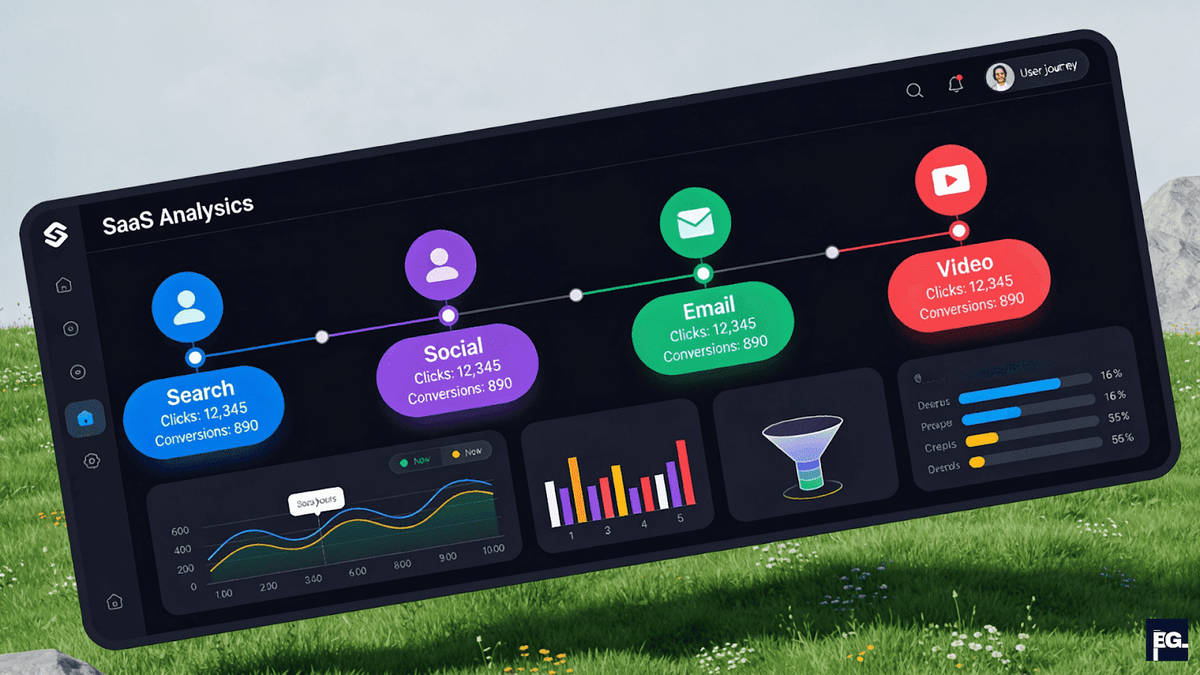
Finally, customer journeys in 2026 are more fragmented but also more trackable than ever. A single purchase might involve an AI‑generated answer, a short‑form video, a creator mention, a visit to your website, a newsletter signup, a community discussion, and then finally a conversion on mobile. If you only measure last‑click performance, you miss much of what is actually working.
Modern teams are updating how they measure success by adding new lenses to their analytics. Alongside classic metrics like organic traffic and Return On Ad Spend (ROAS), they pay attention to:
- Branded search volume and direct traffic (indicators of growing brand awareness).
- Engagement with long‑form and educational content (scroll depth, time on page, repeat visits).
- Community growth and activity (signups, participation, referrals).
- How often their content is surfaced in AI‑style snippets and overviews.
These metrics align with the broader digital marketing trends of GEO, content ecosystems, and community‑driven growth. They encourage strategies that build durable brand assets rather than chasing short‑term spikes.
Turning Digital Marketing Trends 2026 into a Roadmap
With so many moving parts, it is tempting to try to do everything at once. A better approach is to translate these digital marketing trends into a focused, phased roadmap.
A practical way to start is:
Audit your foundation
- Is your website fast, mobile‑friendly, and clear about who you are and what you offer?
- Do you have a few strong, evergreen resources that could become content pillars?
- Are your analytics, consent mechanisms, and data flows compliant and reliable?
Choose 2–3 trends to prioritise For example:
- GEO and content ecosystems (to protect and grow organic visibility).
- Short‑form and interactive video (to boost reach and engagement).
- Privacy‑first personalisation (to improve conversion and retention).
Design small, concrete pilots
- Build one comprehensive guide on a high‑value topic like “digital marketing trends 2026 in [your niche]”, supported by 5–8 related posts.
- Launch a 60‑day short‑form video series hosted by your founder or marketing lead.
- Introduce a simple preference centre and one high‑value interactive asset to start collecting zero‑party data.
By testing, measuring, and then scaling what works, you turn broad trends into targeted, revenue‑focused initiatives.
Conclusion: More Human, More Helpful, More Strategic
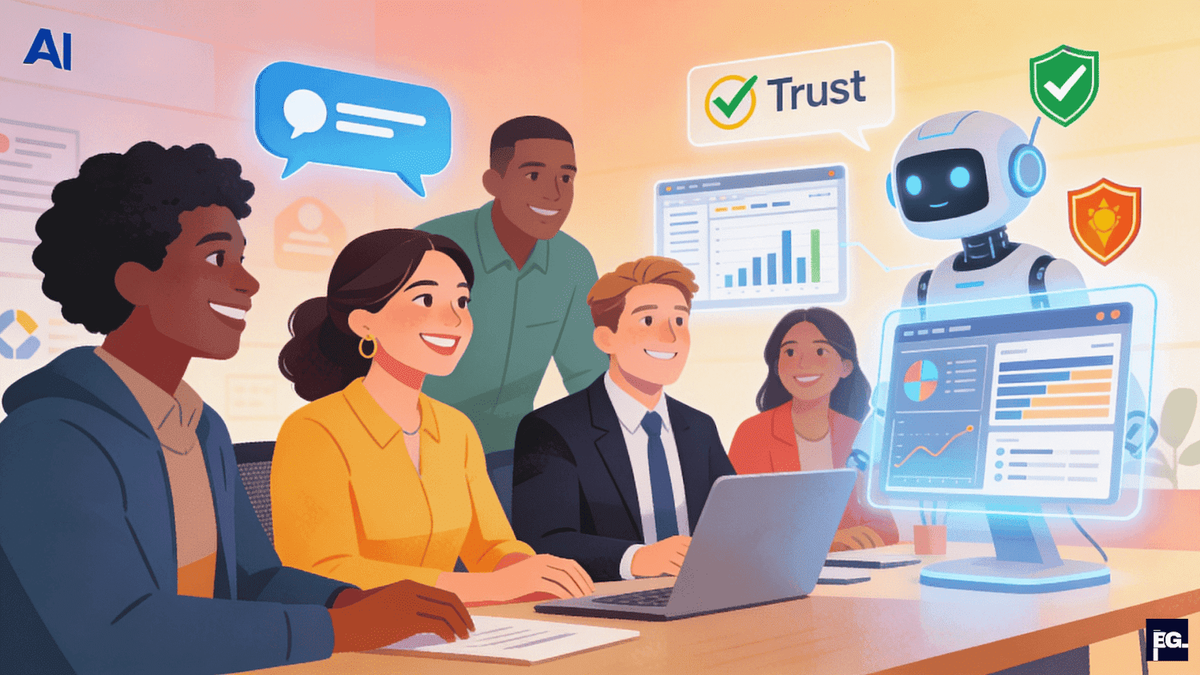
The biggest takeaway from all these digital marketing trends 2026 is that while technology is evolving fast, the fundamentals of why people buy have not changed. Customers still choose brands they trust, remember, and feel understood by. AI, GEO, and new privacy rules change the infrastructure, but they do not replace the need for clarity, credibility, and real value.
If you align your strategy around people‑first content, authentic voices, privacy‑respecting data practices, and modern distribution channels like short‑form video and AI‑informed search, you will be ahead of most competitors. Rather than chasing every shiny new tool, concentrate on building a digital presence that is technically strong, strategically focused, and unmistakably human. That is how you turn today’s digital marketing trends into tomorrow’s sustainable growth.
Ready to implement these digital marketing trends 2026 for your business? At Braingig , we specialize in building GEO-optimized websites, content ecosystems, and privacy-first personalization strategies that drive real growth. Contact us today to schedule a free strategy session and turn these trends into your competitive advantage.
FAQs
1. How does AI enable hyper-personalized experiences?
AI analyzes user behavior, history, and context to dynamically adjust website content, emails, and ads in real-time. Humans define strategy and voice while AI tests variations and scales winners, blending efficiency with storytelling.
Example: An e-commerce site serves journey-specific landing pages, increasing sales conversions significantly.
2. Why shift to content ecosystems?
Brands move from random posts to connected pillar pages supported by topic clusters, signaling authority to AI or search engines. This creates efficient multi-channel fuel like social, emails, and videos around 3-5 strategic themes. Example: A “local SEO” pillar generates months of aligned content across platforms.
3. How is short-form video evolving?
Short-form on TikTok/Reels serves as hooks leading to explainers, shoppable streams, and interactive Q&A for conversions. Founder/employee-led clips outperform ads by feeling genuine.