


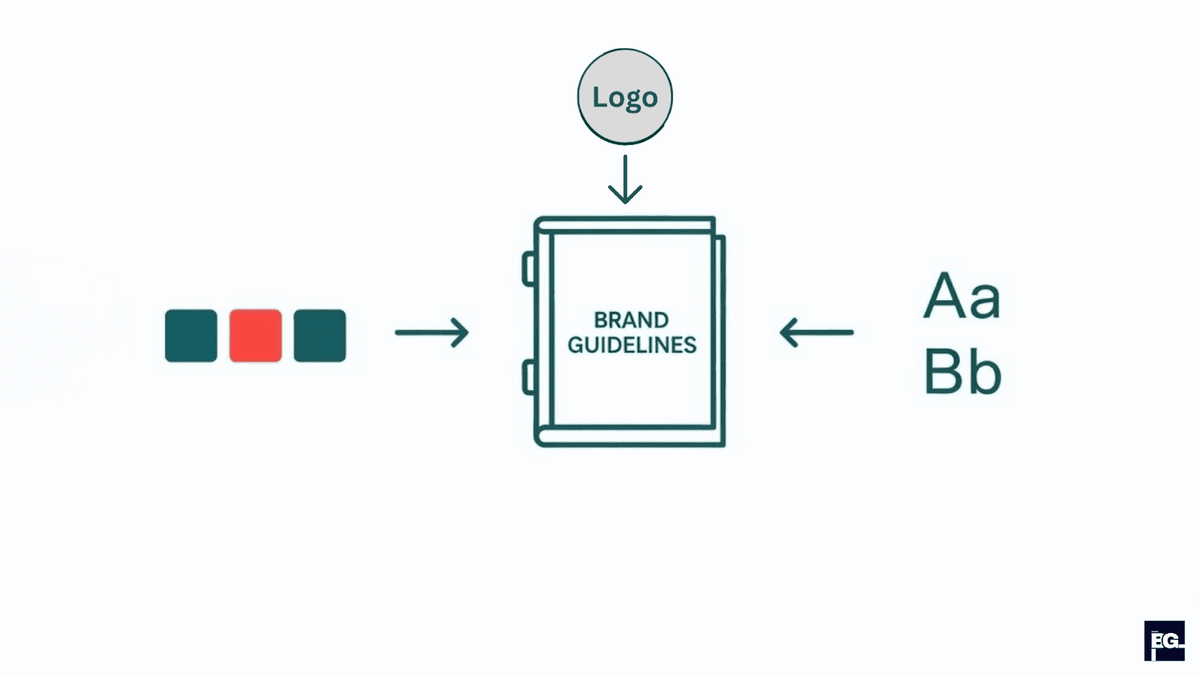
Understanding Brand Design
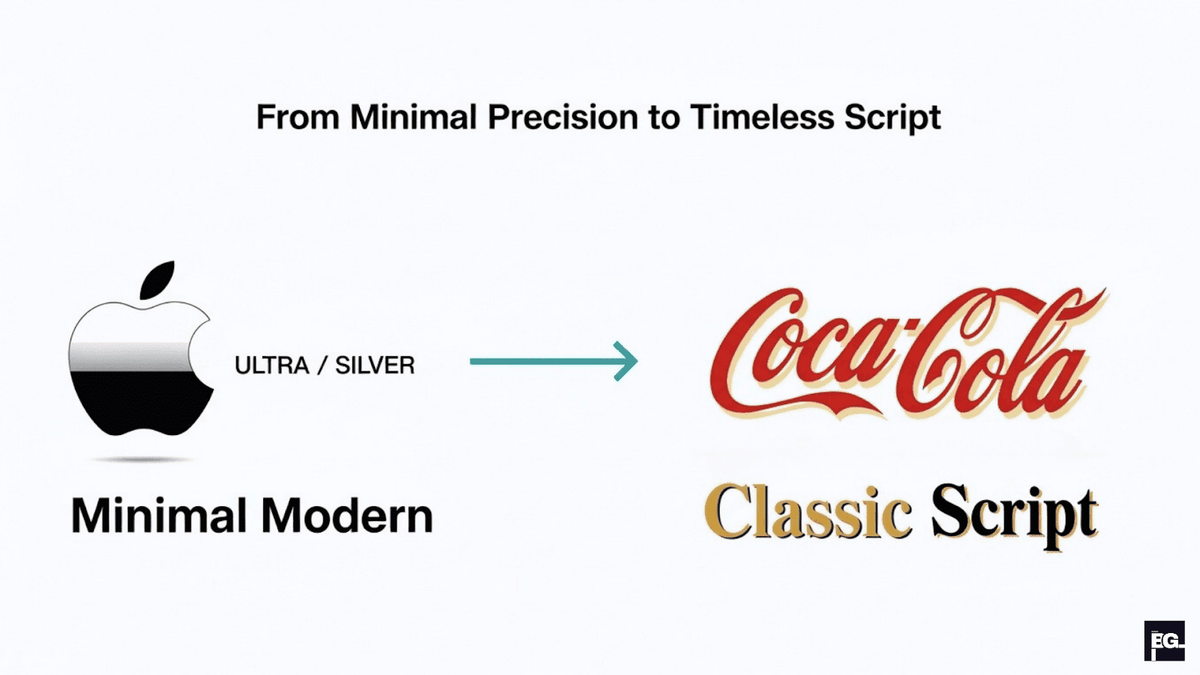
Brand design is all about creating the visual heart of your business. It brings together elements like your logo, color palette, fonts, and imagery to tell your story in a single glance. Imagine walking into a store: Apple's minimalist white logo and bitten apple immediately say "innovative tech," while Coca-Cola's flowing red script screams refreshment and joy. These aren't random choices, they're shaped to connect emotionally with your audience.
At its core, brand design starts with who you are. Without strong brand design, your business risks blending into the noise of competitors, looking generic and forgettable. Good design, on the other hand, builds instant credibility, encouraging clicks, shares, and sales.
Why Brand Design Drives Success
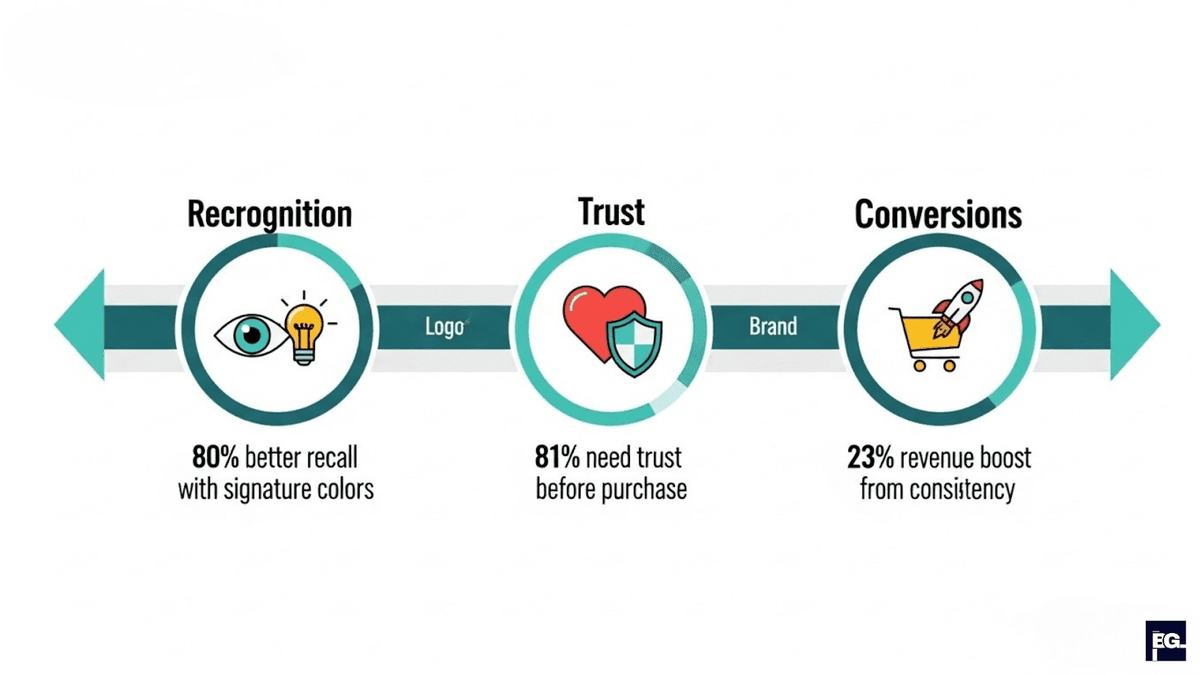
Investing in brand design pays off big. Consistent visuals can increase revenue by up to 23%, as people gravitate toward brands they recognize and trust. Think about Nike: that simple swoosh appears on shoes, apps, and billboards, reinforcing "just do it" energy everywhere. Colors play a huge role too as blue evokes reliability for banks like Chase, while red fuels excitement for brands like Red Bull.
Beyond emotions, brand design sharpens your competitive edge. In a crowded market, unique visuals make you stand out. For SEO, aligning your brand design with keywords like "brand design" helps search engines see your content as authoritative, especially when paired with helpful guides like this one. Poor design flips this: mismatched colors or clunky logos signal unreliability, driving visitors away and hurting rankings.
Step-by-Step Brand Design Process
Building brand design starts with a solid foundation. Gather your team to uncover your core story, define goals, values, and who your audience really is. A local coffee shop, for instance, might land on "cozy neighborhood mornings" as their unique vibe. From there, dive into competitor research to spot gaps: if everyone else uses dull grays, pick vibrant colors to stand out.
Key actions to take next:
- Select core elements: Choose 3-5 colors (e.g., HEX #FF5733 for energy), two fonts (bold for headers, clean for body), and logo concepts.
- Build and test mockups: Create versions for websites, cards, and social posts, then gather real feedback via surveys or A/B tests.
- Launch and measure: Roll it out, then use Google Analytics to track lifts in clicks and time on page.
The whole process typically wraps in 2-4 weeks, laying groundwork for lasting growth.
What Brand Guidelines Really Are
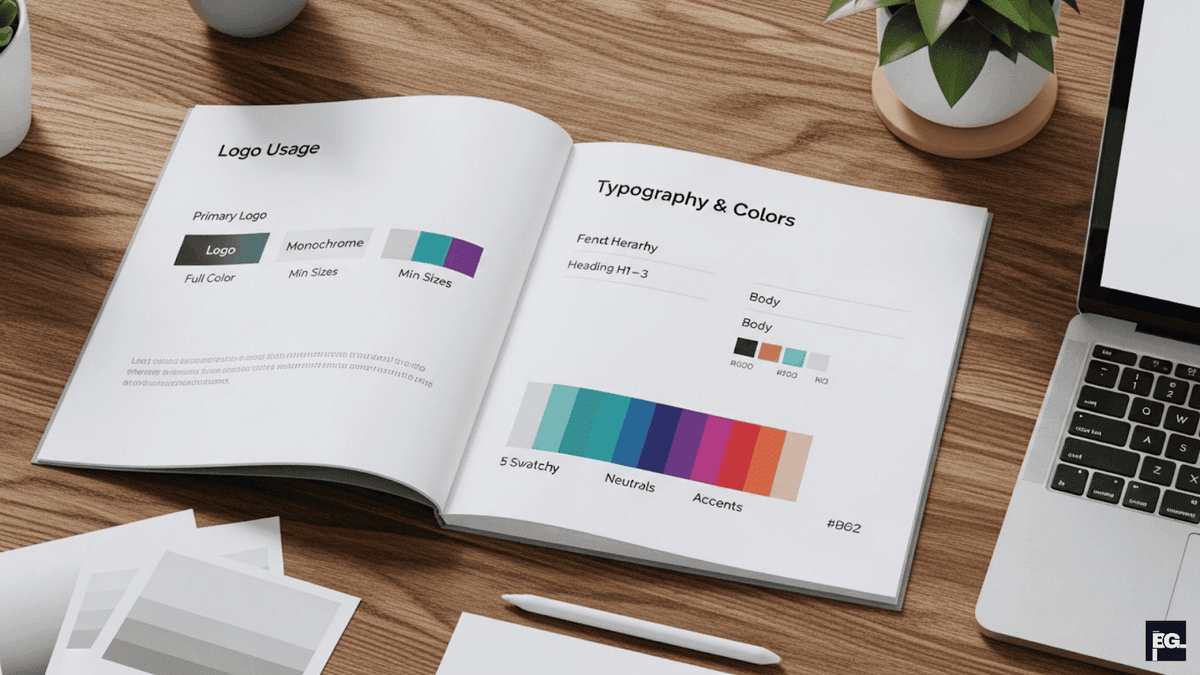
Brand guidelines act as your business's style bible, ensuring every team member, from designers to marketers uses your brand design the same way. They detail exactly how to apply logos, colors, fonts, tone of voice, and images across emails, websites, ads, and packaging. Without them, chaos creeps in: one email with a stretched logo, another with off-brand colors, eroding trust.
These guidelines evolve with your brand but stay practical. Updated yearly, they prevent costly reworks and teams save hours by referencing a single source.
Essential Elements of Brand Guidelines
Every solid set of brand guidelines covers key pieces without overwhelming anyone.
Logos get prime focus: include minimum sizes (e.g., 1-inch print), clear space rules (half the logo height around it), and variations like color, black-and-white, or stacked formats, Netflix bans outlines on their iconic N to keep it crisp.
Colors follow with exact codes: Primary HEX #000000 black for Uber, secondary accents like #FFA500 orange, plus RGB/CMYK for print. Typography spells out fonts (e.g., Slack's playful sans-serif for headers at 48px bold, readable serif for body at 16px), weights, and spacing.
Images round it out: Prefer candid real-people shots with warm filters, like Airbnb's homey photos, and ban stock cliches.
Creating Your Own Brand Guidelines

Creating your style guidelines starts with your story: jot down mission, values, and audience insights on page one. Gather assets next, logo files (SVG, PNG), color swatches from tools like Coolors, and font links from Google Fonts. Design the document in user-friendly tools: Canva for quick PDFs or Figma for interactive versions, aiming for 10-20 pages.
Streamline with these steps:
- Weave in examples: Show your logo on mock business cards, websites, and merch.
- Make it shareable: Export as PDF or host on a hub like Frontify.
- Review and test: Run a team session, then hand it to a newbie for a flyer test.
Finish in 1-2 weeks; keep text light (30%) and visuals heavy (70%) for scannability.
Free Brand Guidelines Template Options
Jumpstart with a brand guidelines template. A one-page quick guide lists logo rules, five colors, and two fonts which are perfect for small teams. For depth, grab a full PDF rulebook template with sections for story, elements, and examples.Figma offers free downloads ready to tweak.
Go interactive like Netflix's microsite, where users preview assets, or minimalist with black backgrounds and pop colors. Canva has 100+ free brand guidelines templates, search "brand guidelines template," swap in your HEX codes, and export. Dropbox's muted palette version works great for tech brands: add your tints and voice rules for instant polish.
Standout Brand Guidelines Examples
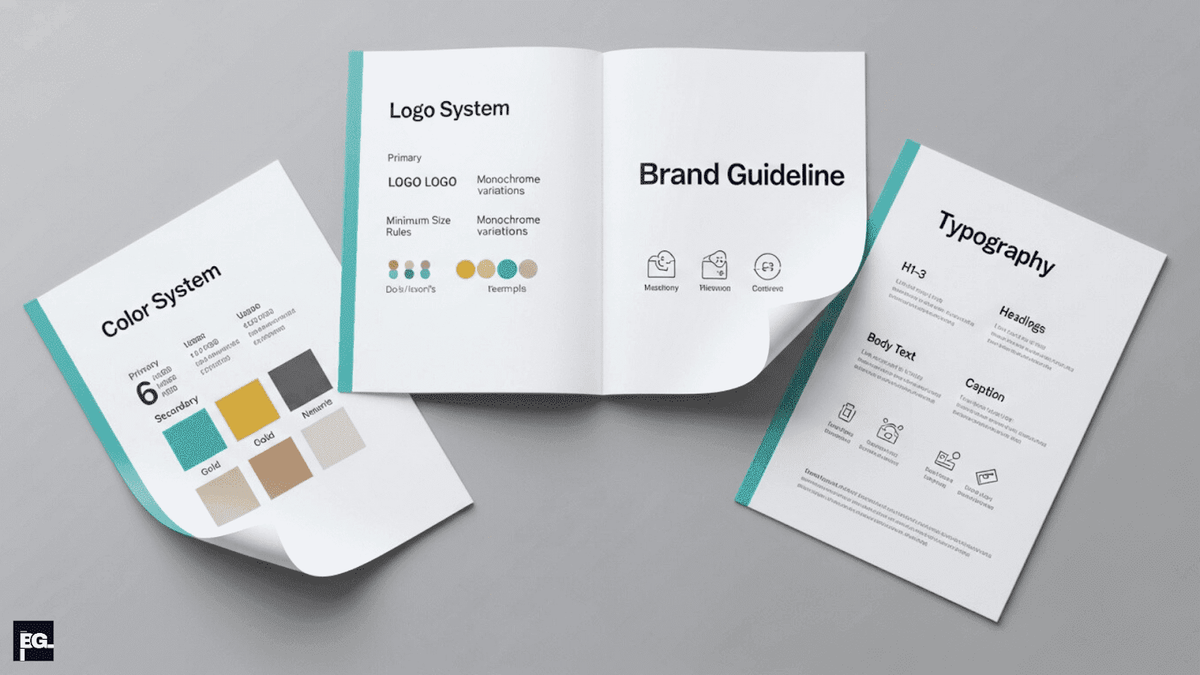
Top brands show brand guidelines done right. Starbucks leads with philosophy upfront, flexible rules let baristas tweak locally while keeping green dominance. Netflix's online microsite shines: downloadable assets, strict no-red-on-black rules, and motion previews.
Uber packs nine sections including icons and animations into clean navigation. Spotify's one-pager uses jumps for colors, fonts, and witty voice with visual, concise, and fun. These live, interactive formats beat static PDFs, inspiring teams and easing updates.
Actionable Tips for Success
Make your brand guidelines shine with 70% visuals, mood boards for image styles, side-by-sides for dos/don'ts. Apply your own fonts and colors inside the doc for immersion. Boost SEO by naming files "brand-guidelines-template-[yourbusiness].pdf" and linking internally [SEO practice].
Go digital for easy updates over rigid PDFs. Test rigorously and share with freelancers and track if outputs match. For brand design tie-ins, refresh guidelines after major rebrands.
Conclusion
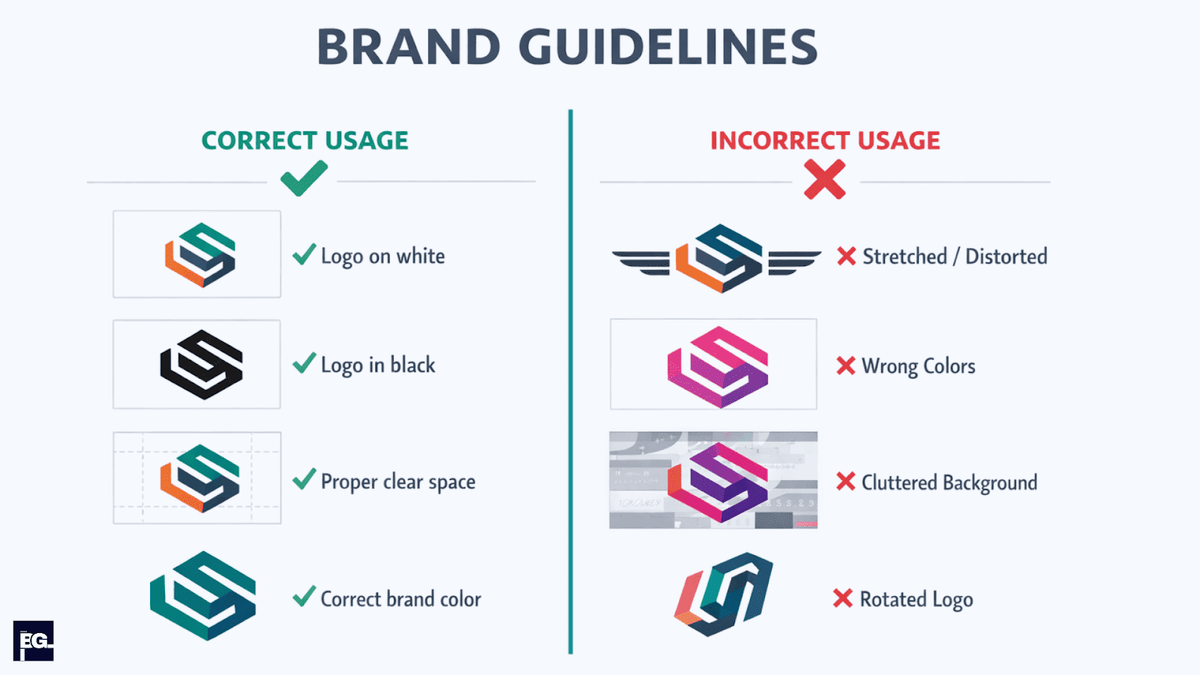
Common slip-ups can undermine even the best brand design efforts. Sidestep these traps to keep your brand guidelines sharp and effective.
- Skipping audience research: This leads to visuals that feel generic and fail to connect with real people who matter to your business.
- Being too rigid: This stifles team creativity. Even the best brands build in flexibility so teams can adapt without breaking core rules.
- Forgetting "don'ts": This creates confusion among your team; always include side-by-side examples of bad uses, like distorted logos on clashing backgrounds.
- Overlooking voice and tone: This leaves your visuals flat and without the personality that makes your brand truly memorable.
- Neglecting yearly audits: This lets your guidelines drift away from your growing brand, reducing their impact over time.
Nail brand design and brand guidelines to elevate your business like the pros. Grab a template for brand guidelines today, customize it, and watch recognition soar. At BrainGig, we build these for agencies every day, talk to our experts today for tailored support.